Summary
- However, new research suggests that the thymus may play a far more important role in human health than previously understood.
- Without a properly functioning thymus during childhood, the immune system may not develop optimally.
- As research continues, experts are calling for further studies to better understand the long-term impact of thymus removal and to determine its true role in immune health throughout adulthood.
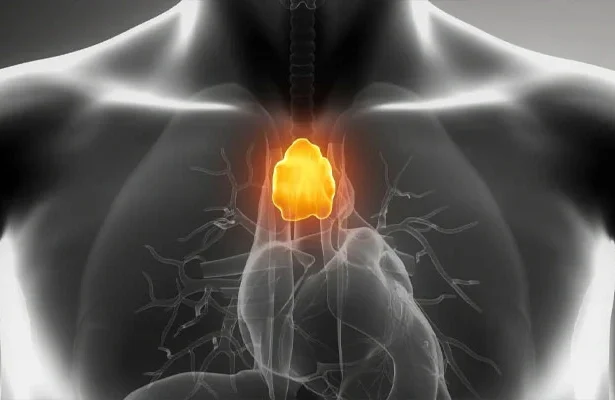
The thymus is a small, fatty gland located behind the breastbone (sternum), in front of the heart. For many years, medical science considered it a largely unnecessary organ in adults, believed to lose its function after childhood. However, new research suggests that the thymus may play a far more important role in human health than previously understood.
Although there is still no full scientific consensus, recent studies have challenged the long-standing belief that the thymus becomes irrelevant in adulthood. Researchers now believe that removing or damaging this gland could have significant long-term health consequences.
A study published in 2023 found concerning results among individuals who had their thymus removed during surgery. According to the findings, these individuals showed a higher risk of death from any cause within five years after the operation compared to those who retained the gland. The same group also demonstrated a higher likelihood of developing cancer during the same period.
At the time of publication, Dr. David Scadden, a cancer specialist at Harvard University, commented on the findings, stating that the thymus appears to be more important for overall health than previously assumed. He explained that individuals without a thymus may face at least double the risk of death and cancer compared to those whose thymus remains intact.
However, the researchers emphasized that their work was observational in nature. This means that while the study identified a strong association between thymus removal and increased health risks, it does not prove a direct cause-and-effect relationship. In other words, it cannot be confirmed that removing the thymus directly causes cancer or other fatal diseases.
Despite this limitation, scientists involved in the study expressed concern over the results. They suggested that until more definitive evidence becomes available, preserving the thymus whenever medically possible should be considered a priority in surgical practice.
The thymus plays a critical role in early life, particularly in the development of the immune system. It is responsible for producing and training T cells, which are a type of white blood cell essential for defending the body against infections, viruses, and other harmful pathogens. Without a properly functioning thymus during childhood, the immune system may not develop optimally.
Research has also indicated that children who lack a thymus may have weaker immune responses to vaccinations, making them potentially more vulnerable to infections. However, after puberty, the thymus gradually shrinks in size and produces significantly fewer T cells. Because of this natural decline, it was long assumed that the gland no longer served a meaningful function in adults.
This assumption also contributed to the medical practice of removing the thymus during certain heart and chest surgeries. Since the gland is located in front of the heart, it is sometimes removed to provide better access during surgical procedures. For many years, this was not thought to have serious long-term consequences.
However, the latest findings are prompting scientists to reconsider this approach. As research continues, experts are calling for further studies to better understand the long-term impact of thymus removal and to determine its true role in immune health throughout adulthood.
We welcome your contributions! Submit your blogs, opinion pieces, press releases, news story pitches, and news features to opinion@minutemirror.com.pk and minutemirrormail@gmail.com