Summary
- A prominent Chinese policy expert has suggested that Pakistan’s Prime Minister Shehbaz Sharif and Field Marshal Asim Munir could one day become candidates for the Nobel Peace Prize if their diplomatic efforts contribute to lasting peace and stability in the region.
- “If these peace initiatives continue and result in lasting regional stability, such leadership could be worthy of the Nobel Peace Prize,” Gao reportedly said while discussing Pakistan’s evolving diplomatic role.
- Whether these diplomatic efforts ultimately translate into lasting peace remains to be seen, but Gao believes that consistent commitment to dialogue and conflict resolution could significantly enhance Pakistan’s international standing in the years ahead.
A prominent Chinese policy expert has suggested that Pakistan’s Prime Minister Shehbaz Sharif and Field Marshal Asim Munir could one day become candidates for the Nobel Peace Prize if their diplomatic efforts contribute to lasting peace and stability in the region.
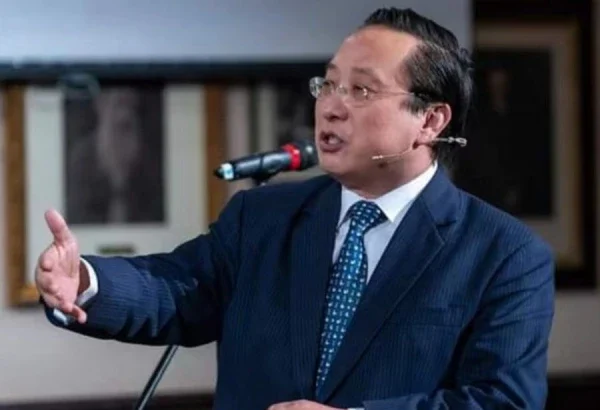
The remarks were made by Dr. Victor Gao, Vice President of the Center for China and Globalization (CCG), during a recent interview in which he praised Pakistan’s growing diplomatic engagement, particularly its reported efforts to encourage dialogue and reduce tensions in the Middle East.
According to Gao, sustained diplomatic initiatives that help prevent conflict and promote regional cooperation deserve international recognition. He said that if Pakistan’s leadership continues working toward peaceful solutions and those efforts ultimately lead to long-term stability, they could gain global appreciation, including consideration for prestigious international honors.
“If these peace initiatives continue and result in lasting regional stability, such leadership could be worthy of the Nobel Peace Prize,” Gao reportedly said while discussing Pakistan’s evolving diplomatic role.
His comments come at a time when Pakistan has intensified diplomatic contacts with several regional countries, presenting itself as a supporter of dialogue and peaceful conflict resolution. Pakistani officials have repeatedly emphasized diplomacy as the preferred path for addressing regional disputes and maintaining stability.
The statement also coincides with renewed efforts by China and Pakistan to strengthen their long-standing strategic partnership. Following Prime Minister Shehbaz Sharif’s recent visit to Beijing, leaders from both countries reaffirmed their commitment to expanding cooperation in trade, infrastructure, security, and regional diplomacy.
Chinese officials have also welcomed Pakistan’s role in promoting peace and stability, describing close coordination between Beijing and Islamabad as an important factor in addressing shared regional challenges.
Political analysts note that Gao’s comments reflect his personal assessment rather than any official position of the Nobel Committee or the Chinese government. They add that while public endorsements from influential policy experts can generate discussion, the Nobel Peace Prize is awarded through an independent nomination and selection process based on criteria established by the Norwegian Nobel Committee.
The remarks have nevertheless attracted attention across diplomatic and political circles, highlighting the growing focus on Pakistan’s foreign policy initiatives and its efforts to position itself as a constructive regional partner.
Whether these diplomatic efforts ultimately translate into lasting peace remains to be seen, but Gao believes that consistent commitment to dialogue and conflict resolution could significantly enhance Pakistan’s international standing in the years ahead.
We welcome your contributions! Submit your blogs, opinion pieces, press releases, news story pitches, and news features to opinion@minutemirror.com.pk and minutemirrormail@gmail.com