Summary
- A Pakistani research study has attracted international attention after reporting zero cases of in-flight dental pain among the Pakistan Air Force (PAF) pilots examined, highlighting the importance of strict medical fitness standards in military aviation.
- The study, titled “In-flight Barodontalgia among Commercial and Military Pilots of Pakistani Origin,” was published in the Pakistan Journal of Public Health in 2019, with Dr Syed Sohaib Daud Gilani as its lead author.
- A striking contrast with international findings The Pakistani study produced an encouraging finding: none of the military pilots surveyed reported experiencing in-flight dental pain.
A Pakistani research study has attracted international attention after reporting zero cases of in-flight dental pain among the Pakistan Air Force (PAF) pilots examined, highlighting the importance of strict medical fitness standards in military aviation.
The study, titled “In-flight Barodontalgia among Commercial and Military Pilots of Pakistani Origin,” was published in the Pakistan Journal of Public Health in 2019, with Dr Syed Sohaib Daud Gilani as its lead author. It has now been included in an international systematic review published in the British Dental Journal on June 12, 2026.
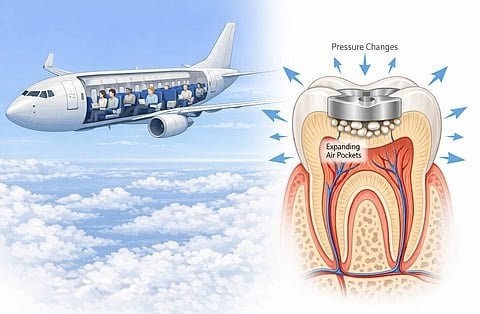
The condition examined in the research, known as barodontalgia, refers to tooth pain triggered by changes in atmospheric pressure. It is considered a potential flight-safety risk because sudden pain at high altitudes can distract pilots and affect their concentration during critical operations.
The British Dental Journal review, titled “Prevalence and Symptoms of Barodontalgia in Aircrew,” analysed 377 research records from across the world. Only seven studies met its selection criteria, representing India, Pakistan, Bangladesh, Jordan, France, Turkey and Brazil. Pakistan’s research was the only study from the country included in the review.
A striking contrast with international findings
The Pakistani study produced an encouraging finding: none of the military pilots surveyed reported experiencing in-flight dental pain. Researchers also recorded no related aviation accidents or in-flight emergencies.
The result stands out against international findings. The systematic review reported a median barodontalgia prevalence of 14.1 per cent across the included studies. A Turkish study recorded a prevalence of 55 per cent, increasing to 71 per cent among fighter pilots, while around 10.5 per cent of Jordanian military pilots reported the condition.
Researchers suggest that rigorous medical surveillance and regular dental examinations could help explain the difference. Military aviators undergo periodic aeromedical assessments, including oral and maxillofacial examinations, allowing potential dental problems to be identified and treated before they become risks during flight.
Another important aspect of the Pakistani research is that it relied on information gathered from actual flights rather than simulated conditions.
Pakistani research gains international attention
The study has also received academic citations from researchers in Turkey, India and Indonesia. Among the publications referencing it are the Journal of the Faculty of Dentistry of Atatürk University, PeerJ, the Indian Journal of Clinical and Diagnostic Research and Indonesia Defense University’s Defense Journal.
Its inclusion in the British Dental Journal review places Pakistani research alongside international contributions to aviation medicine and highlights the role of preventive healthcare in protecting aircrew.
Although the findings do not establish the overall medical superiority of Pakistani pilots, the absence of reported cases among the military personnel studied is a notable result.
Beyond its academic recognition, the research highlights a fundamental aspect of aviation safety: even the most advanced aircraft depend on the physical fitness and medical readiness of the people operating them.
We welcome your contributions! Submit your blogs, opinion pieces, press releases, news story pitches, and news features to opinion@minutemirror.com.pk and minutemirrormail@gmail.com