Summary
- They believe that without effective family planning policies and improved public awareness, the country’s rapidly expanding population could create even greater economic and social challenges in the coming years.
- In Punjab, the Population Welfare Department is reportedly facing serious operational challenges, including administrative restructuring, staff integration problems, and shortages of resources required to deliver family planning services efficiently.
- Policy analysts stress that controlling population growth requires a coordinated national strategy involving federal and provincial governments, improved healthcare services, women’s education, and greater public awareness about family planning.
Pakistan’s population continues to grow at a rapid pace, raising concerns among economists, healthcare professionals, and policymakers who warn that existing population control measures are not sufficient to address the country’s demographic challenges.
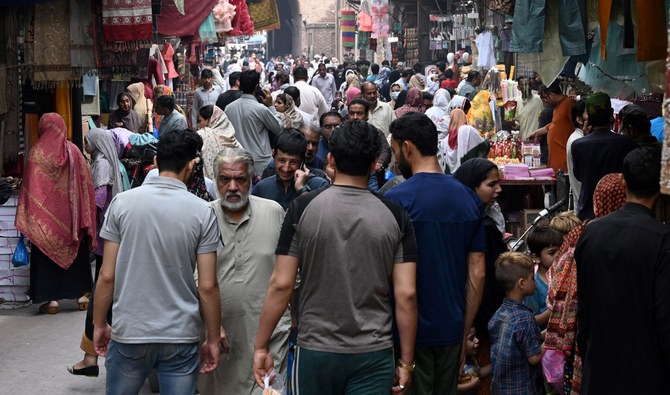
According to experts, Pakistan’s annual population growth rate currently stands at 2.55 percent, making it one of the fastest-growing countries in the region. The country’s total population has now reached approximately 257.2 million, placing increasing pressure on already limited national resources.
Demographers say Pakistan has the highest birth rate in South Asia, a trend that continues to strain healthcare, education, housing, employment opportunities, and public infrastructure. They believe that without effective family planning policies and improved public awareness, the country’s rapidly expanding population could create even greater economic and social challenges in the coming years.
Experts warn that the rising population is outpacing the government’s capacity to provide essential services. Increased demand for food, clean water, healthcare facilities, schools, transportation, and jobs has intensified concerns about sustainable development and poverty reduction efforts.
Despite successive governments launching family planning and population welfare initiatives, experts argue that implementation has remained weak. Limited access to reproductive healthcare, lack of awareness in rural communities, cultural barriers, and insufficient funding continue to hinder the effectiveness of population management programs.
Officials familiar with the matter say provincial population welfare departments are also struggling with administrative issues. In Punjab, the Population Welfare Department is reportedly facing serious operational challenges, including administrative restructuring, staff integration problems, and shortages of resources required to deliver family planning services efficiently.
Sources indicate that many population welfare centers are operating with inadequate facilities, limiting their ability to provide counseling, contraceptive services, and awareness campaigns, particularly in remote and underserved areas.
Policy analysts stress that controlling population growth requires a coordinated national strategy involving federal and provincial governments, improved healthcare services, women’s education, and greater public awareness about family planning. They argue that sustainable economic growth will remain difficult unless population growth is brought under control.
We welcome your contributions! Submit your blogs, opinion pieces, press releases, news story pitches, and news features to opinion@minutemirror.com.pk and minutemirrormail@gmail.com