Summary
- Pakistan’s federal government has proposed imposing a Federal Excise Duty (FED) on imported vehicles as part of the 2026–27 federal budget.
- Under the proposal, SUVs with engine capacities ranging from 2,000cc to 3,000cc will face Federal Excise Duty.
- The finance minister further revealed that electric vehicles priced above Rs20 million will also come under the Federal Excise Duty regime.
Pakistan’s federal government has proposed imposing a Federal Excise Duty (FED) on imported vehicles as part of the 2026–27 federal budget.
While presenting the budget in the National Assembly, Finance Minister Muhammad Aurangzeb announced a series of tax measures targeting the automobile sector. He said the government plans to introduce FED on imported vehicles and expand the tax net to include higher-engine-capacity SUVs.
Under the proposal, SUVs with engine capacities ranging from 2,000cc to 3,000cc will face Federal Excise Duty. The government also intends to increase the existing FED on vehicles with engine capacities exceeding 3,000cc, a move aimed at generating additional revenue from luxury automobile purchases.
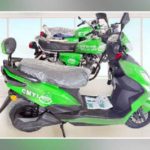
The finance minister further revealed that electric vehicles priced above Rs20 million will also come under the Federal Excise Duty regime. However, the government will continue to support the adoption of environmentally friendly transportation by maintaining existing incentives for electric motorcycles, rickshaws, and buses.
To encourage the use of clean commercial transport, the budget proposes a reduced sales tax rate of just 1 percent on imported electric trucks.
Aurangzeb also informed lawmakers that a new national auto policy remains under review by a committee formed by Prime Minister Shehbaz Sharif. The committee is currently evaluating proposals that could shape the future direction of Pakistan’s automotive industry.
In another relief measure, the government has decided to abolish the Federal Excise Duty previously charged on overseas business-class air travel, reducing the tax burden on international passengers traveling in premium cabins.
The proposed measures form part of the government’s broader fiscal strategy for the 2026–27 budget, which focuses on increasing revenue while promoting sustainable transportation and supporting economic growth.
We welcome your contributions! Submit your blogs, opinion pieces, press releases, news story pitches, and news features to [email protected] and [email protected]