Summary
- The report, released on Monday, found that 38.3 per cent of Pakistanis were living in multidimensional poverty.
- The UNDP report estimates South Asia’s multidimensional poverty rate at around 19.3 per cent, while another 18.4 per cent of the population remains vulnerable to poverty.
- Living standards contribute 36.3 per cent to multidimensional poverty across the region, followed by education at 33.7 per cent and health at 29.9 per cent.
More than one-third of Pakistan’s population faces overlapping deprivations in health, education and living standards, placing the country ahead of India and Bangladesh in multidimensional poverty, according to a new report by the United Nations Development Programme (UNDP).
The report, released on Monday, found that 38.3 per cent of Pakistanis were living in multidimensional poverty. The corresponding figures stood at 16.4 per cent in India and 14.9 per cent in Bangladesh. However, the estimates are based on household surveys conducted in different years and do not represent a direct comparison of conditions at the same time.
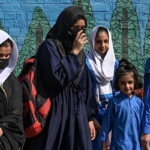
The findings highlight the challenges facing Pakistan in ensuring access to essential services and improving living conditions for disadvantaged communities.
According to the report, the intensity of deprivation among Pakistanis classified as multidimensionally poor stood at 51.7 per cent. Another 12.9 per cent of the population was considered vulnerable to multidimensional poverty, indicating that millions more could face serious hardships.
Unlike conventional poverty measurements based primarily on income, the Multidimensional Poverty Index (MPI) examines several aspects of people’s lives. These include nutrition, child mortality, years of schooling, school attendance, access to clean drinking water, sanitation, electricity, housing and household assets.
The report also points to a worrying global trend, with the number of people experiencing multidimensional poverty rising for the first time in 15 years. An estimated 1.2 billion people worldwide are now affected, representing an increase of 51.5 million from the previous update.
Children account for more than half of the global total, with approximately 617 million living in multidimensional poverty. The report further indicates that 83 per cent of those affected live in rural areas, where access to healthcare, education and basic infrastructure can be limited.
South Asia remains a major centre of global deprivation. The region accounts for at least one-third of worldwide deprivations in nutrition, housing and years of schooling. Approximately 150 million poor people in the region live in households where at least one school-aged child is not attending school.
The UNDP report estimates South Asia’s multidimensional poverty rate at around 19.3 per cent, while another 18.4 per cent of the population remains vulnerable to poverty.
Living standards contribute 36.3 per cent to multidimensional poverty across the region, followed by education at 33.7 per cent and health at 29.9 per cent. These figures illustrate how poor living conditions, limited educational opportunities and inadequate healthcare often combine to deepen poverty.
The report warns that these interconnected disadvantages can prevent families from improving their circumstances. Children who miss school may face fewer employment opportunities later in life, while inadequate nutrition and limited healthcare can further restrict their development.
UNDP Administrator Alexander De Croo described the global increase in poverty as a wake-up call, highlighting the hardships faced by people who lack adequate food, education, clean water and electricity.
The findings underline the need for stronger social protection, improved public services and targeted investment in healthcare, education and basic infrastructure. For Pakistan, reducing multidimensional poverty will require addressing not only income shortages but also the broader conditions that prevent millions of people from achieving better living standards.
We welcome your contributions! Submit your blogs, opinion pieces, press releases, news story pitches, and news features to opinion@minutemirror.com.pk and minutemirrormail@gmail.com