Summary
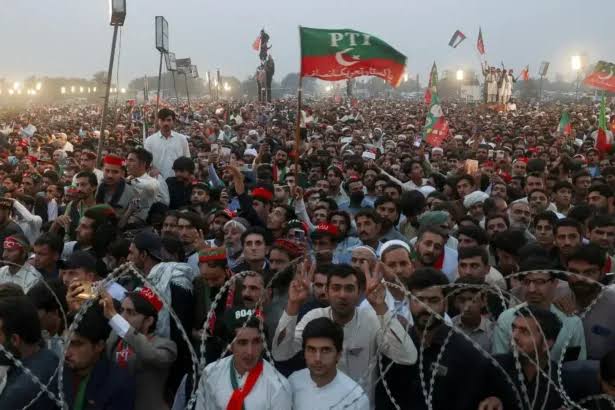
- ISLAMABAD / LAHORE / PESHAWAR: Pakistan’s political confrontation has intensified as the Pakistan Tehreek-e-Insaf (PTI) prepares for a long march towards Islamabad while the federal and Punjab governments continue extensive security and traffic-control measures to prevent disruption in the capital and surrounding areas.
- The PTI had originally announced its long march for September 27, but Khyber Pakhtunkhwa Chief Minister Sohail Afridi later announced that the march would instead begin from Peshawar on October 4 following a meeting of the party’s political committee.
- With the PTI march now scheduled for October 4, attention remains focused on whether the political dispute will lead to further confrontation or whether dialogue can prevent another major disruption in Islamabad and surrounding areas.
ISLAMABAD / LAHORE / PESHAWAR: Pakistan’s political confrontation has intensified as the Pakistan Tehreek-e-Insaf (PTI) prepares for a long march towards Islamabad while the federal and Punjab governments continue extensive security and traffic-control measures to prevent disruption in the capital and surrounding areas.
The PTI had originally announced its long march for September 27, but Khyber Pakhtunkhwa Chief Minister Sohail Afridi later announced that the march would instead begin from Peshawar on October 4 following a meeting of the party’s political committee.
The repeated changes to the protest schedule have come alongside increasingly strong statements from both sides, including discussions over governor’s rule, demands for dialogue and preparations involving security personnel and containers.
March date changes and political confrontation
The PTI initially planned to march towards Islamabad on September 27 to press for the release of party founder Imran Khan, who remains incarcerated at Adiala Jail.
On September 25, CM Afridi announced that the march had been postponed until October 4 and would begin from Peshawar. The decision followed a meeting of the party’s political committee.
The postponement came after days of uncertainty over the party’s preparations. Some reports attributed the decision to logistical difficulties, including transportation and the ability to remove road blockades, although PTI leadership publicly maintained that the protest would remain peaceful.
Governor’s rule enters the debate
The confrontation has also brought the possibility of governor’s rule in Khyber Pakhtunkhwa into political discussion.
KP Governor Faisal Karim Kundi said consultations had taken place regarding the possibility of imposing governor’s rule and argued that the Constitution provides for such a measure.
However, federal Information Minister Attaullah Tarar had earlier said that the government had no intention of imposing governor’s rule in the province, highlighting differing statements from government figures over the issue.
The issue has also reached the KP Assembly, where Speaker Babar Saleem Swati sought information from the provincial police chief regarding arrests and cases involving lawmakers and government officials.
Containers and security preparations
Meanwhile, authorities have undertaken extensive security preparations around Islamabad and routes connecting Punjab with Khyber Pakhtunkhwa.
Dawn reported that the capital administration arranged 1,550 containers, with their daily rental cost estimated at Rs46.5 million. The newspaper reported that the overall security arrangements could cost the exchequer more than Rs1 billion because of the postponement of the protest.
The Punjab government also requested Rangers deployment in Rawalpindi, Attock, Jhelum and Mianwali from September 22 to October 5 in connection with expected protests
Earlier preparations included placing containers at important crossings and monitoring routes connecting KP with Islamabad and Rawalpindi.
Public movement under pressure
The security measures have affected major transport routes and commercial activity. Reports have also highlighted the detention or holding of container vehicles and crews as authorities prepared to restrict possible protest routes. According to Dawn, around 2,700 vehicles were taken into custody or stopped during the preparations, including vehicles carrying goods such as medicines, food items and chemicals.
The scale of the arrangements has raised questions about the economic and social cost of prolonged political confrontation, particularly when major highways and commercial routes are restricted.
Calls for dialogue
Despite the escalation, CM Sohail Afridi has also indicated openness to dialogue with the federal government while warning against what he described as a possible “misadventure.”
The government, meanwhile, has maintained that it will not allow roads or public facilities to be blocked and has defended security measures as necessary to maintain law and order.
With the PTI march now scheduled for October 4, attention remains focused on whether the political dispute will lead to further confrontation or whether dialogue can prevent another major disruption in Islamabad and surrounding areas.
For ordinary citizens, the immediate concerns remain access to roads, businesses, education, healthcare and uninterrupted movement as both sides continue to prepare for the next phase of the standoff.
We welcome your contributions! Submit your blogs, opinion pieces, press releases, news story pitches, and news features to opinion@minutemirror.com.pk and minutemirrormail@gmail.com