Summary
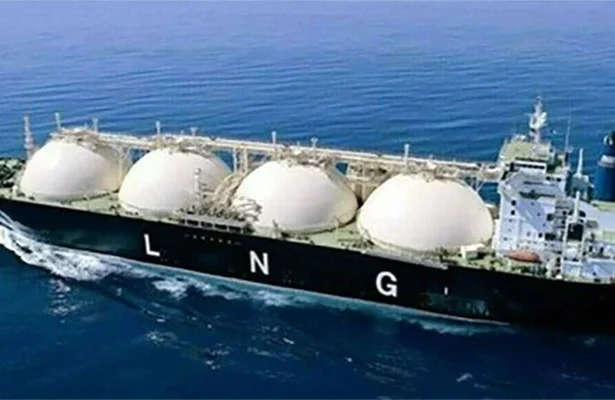
- LONDON/OSLO: Qatar has emerged as one of the biggest economic casualties of the six-month-long US-Iran conflict, with the country’s liquefied natural gas (LNG) exports collapsing by around 96% as shipping through the Strait of Hormuz has been severely disrupted, according to industry data and Reuters calculations.
- Strait of Hormuz Disruption Hits Qatar Hard The main reason behind the unprecedented decline in Qatari LNG exports is the near standstill in commercial shipping through the Strait of Hormuz, a narrow but strategically vital waterway connecting the Gulf with international markets.
- Oil producers have been able to use alternative routes and storage facilities to move some crude outside the Strait of Hormuz, while Qatar’s LNG exports are particularly dependent on maritime access through the waterway.
LONDON/OSLO: Qatar has emerged as one of the biggest economic casualties of the six-month-long US-Iran conflict, with the country’s liquefied natural gas (LNG) exports collapsing by around 96% as shipping through the Strait of Hormuz has been severely disrupted, according to industry data and Reuters calculations.
The sharp decline has dealt a major blow to Qatar’s energy revenues, with the country estimated to have lost around $24 billion in LNG sales since the conflict began. Based on Qatar’s 2025 export earnings, the amount is equivalent to roughly five months of the country’s gas revenue.
Qatar’s exposure to the crisis is particularly significant because LNG exports are a major source of income for the Gulf state. State-owned QatarEnergy is one of the world’s largest LNG producers, and Qatar had been supplying around one-fifth of global daily LNG demand before the conflict disrupted maritime traffic.
Strait of Hormuz Disruption Hits Qatar Hard
The main reason behind the unprecedented decline in Qatari LNG exports is the near standstill in commercial shipping through the Strait of Hormuz, a narrow but strategically vital waterway connecting the Gulf with international markets.
Qatar relies heavily on the route to transport LNG cargoes to customers in Europe and Asia. With security concerns escalating after the outbreak of the US-Iran conflict at the end of February, LNG tanker movements out of the Gulf have fallen dramatically.
Data from energy intelligence firm ICIS showed that Qatar shipped only 18 LNG cargoes during the period, compared with 509 cargoes recorded during the corresponding period last year.
The scale of the decline underscores the extent to which the conflict has affected Qatar’s energy sector. Unlike some neighbouring oil-producing countries, which have managed to maintain limited crude exports through alternative arrangements or covert shipments, Qatar has had far fewer options for moving its LNG.
Two Qatari LNG tankers have also come under attack, further increasing concerns over the safety of vessels operating in the region.
QatarEnergy, the state-owned energy company responsible for the country’s LNG production and exports, did not immediately respond to a Reuters request for comment.
Gulf Oil Producers Also Face Export Losses
Qatar is not the only Gulf energy producer suffering from the disruption.
Saudi Arabia, the United Arab Emirates, Iraq and Kuwait have also experienced interruptions to oil exports since the conflict intensified. However, the decline in their shipments has been considerably smaller than Qatar’s LNG losses.
The difference is partly linked to the nature of the commodities and available export infrastructure. Oil producers have been able to use alternative routes and storage facilities to move some crude outside the Strait of Hormuz, while Qatar’s LNG exports are particularly dependent on maritime access through the waterway.
The disruption has therefore exposed Qatar to a much larger immediate economic impact than several of its regional neighbours.
Global LNG Market Under Pressure
The reduction in Qatari shipments is also having consequences well beyond the Gulf. Before the conflict, Qatar was a crucial supplier to the global LNG market, particularly for European and Asian buyers.
Some of the supply gap has been partly covered by increased LNG exports from the United States. However, analysts and market participants remain concerned that American shipments alone may not be sufficient to fully compensate for the prolonged loss of Qatari supplies.
The disruption is particularly concerning for Europe, where gas inventories have fallen to unusually low levels for this stage of the year.
Europe Faces Winter Supply Risks
European gas storage facilities are currently at their lowest levels for this time of year since at least 2011, according to available data.
The continent typically uses the summer months to replenish underground gas storage before the winter heating season. However, the process has been slower this year because of elevated gas prices and tighter supplies of LNG in international markets.
Lower-than-normal storage levels leave European energy markets more vulnerable to sudden price increases if temperatures fall sharply during the coming winter.
A colder-than-expected winter could significantly increase gas consumption, potentially intensifying competition among European and Asian buyers for available LNG cargoes.
Qatar’s Losses Could Deepen
The economic impact on Qatar could become more severe if the Strait of Hormuz remains effectively closed or if security concerns continue to prevent LNG tankers from operating normally.
The country’s dependence on LNG exports means prolonged shipping restrictions could reduce government revenues, weaken export earnings and affect the broader energy economy.
For international gas markets, the situation also highlights the vulnerability of global LNG supply chains to geopolitical disruptions. With Qatar among the world’s leading LNG suppliers, any sustained interruption in its exports can quickly tighten global supplies and increase pressure on prices.
We welcome your contributions! Submit your blogs, opinion pieces, press releases, news story pitches, and news features to opinion@minutemirror.com.pk and minutemirrormail@gmail.com