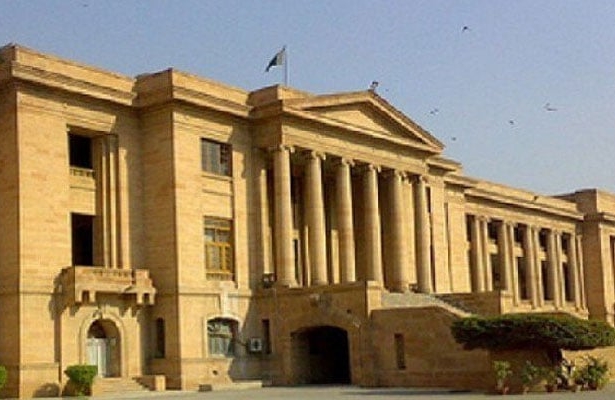
Summary
- The constitutional bench of the Sindh High Court has heard a petition filed by filmmakers challenging the decision of the Sindh Board of Film Censors to deny permission for the screening of the film Ghost School in Sindh.
- The secretary of the Sindh Board of Film Censors appeared before the court during the hearing.
- During the hearing, Justice Adnanul Karim Memon questioned the secretary of the Sindh censor board about the reasons for refusing permission to screen the film.
The constitutional bench of the Sindh High Court has heard a petition filed by filmmakers challenging the decision of the Sindh Board of Film Censors to deny permission for the screening of the film Ghost School in Sindh.
The court directed the Sindh censor board to decide the matter within two weeks. It instructed the board to hear all parties before deciding the filmmakers’ review application.
The secretary of the Sindh Board of Film Censors appeared before the court during the hearing.
The petitioner’s lawyer told the court that the federal authorities had already granted permission for the film to be released.
During the hearing, Justice Adnanul Karim Memon questioned the secretary of the Sindh censor board about the reasons for refusing permission to screen the film.
In a lighter exchange, the judge asked whether there were “ghosts” in the film that prevented the board from granting permission for its screening.
The secretary replied that he could not disclose the details before the court at that stage, saying the decision to censor the film had been taken by the board.
Justice Memon told the secretary that the board could not conceal the reasons for its decision and would have to provide the court with all relevant details.
The judge warned that if the reasons were withheld, the court could allow the petition.
The secretary denied concealing any information and requested additional time to submit the board’s response to the court.
The petitioner’s lawyer argued that both the Central Board of Film Censors and the Punjab Board of Film Censors had already granted permission for the film’s screening.
However, the lawyer said the Sindh Board of Film Censors had refused to approve the film for exhibition in the province.
The court subsequently directed the Sindh censor board to hear the concerned parties and decide the review application within two weeks.
We welcome your contributions! Submit your blogs, opinion pieces, press releases, news story pitches, and news features to opinion@minutemirror.com.pk and minutemirrormail@gmail.com