Summary
- Sri Lanka is preparing for a prolonged period of extreme weather as authorities warn that the return of the El Nino climate pattern could bring a severe drought followed by widespread flooding later this year.
- The government has begun taking precautionary measures to protect water supplies, agriculture, and vulnerable communities as changing weather conditions threaten to affect millions of people across the island.
- Authorities are continuing to monitor weather forecasts while encouraging communities to conserve water, prepare for possible floods, and follow official guidance throughout the changing weather conditions.
Sri Lanka is preparing for a prolonged period of extreme weather as authorities warn that the return of the El Nino climate pattern could bring a severe drought followed by widespread flooding later this year. The government has begun taking precautionary measures to protect water supplies, agriculture, and vulnerable communities as changing weather conditions threaten to affect millions of people across the island.
Environment Minister Dhammika Patabendi said the country is expected to face a significant dry spell lasting until the end of September. Officials are closely monitoring irrigation systems and drinking water reserves to ensure supplies remain available during the expected drought. The government has also urged the public to use water carefully, warning that shortages could develop over the coming months if dry conditions continue.
Scientists have linked the increasing frequency and intensity of extreme weather events to climate change. They say El Nino, a natural climate pattern caused by warmer than normal sea surface temperatures in the central and eastern Pacific Ocean, disrupts global rainfall and wind patterns. These changes often bring drought to some regions while causing heavy rainfall and flooding in others.
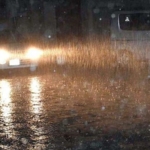
Sri Lankan authorities expect the current dry period to be followed by a stronger than usual northeast monsoon beginning in October. The minister warned that the seasonal rains could trigger widespread flooding in many parts of the country, creating additional risks for communities already dealing with water shortages.
To reduce the impact on agriculture, the government has advised farmers to begin the main rice planting season about two weeks earlier than usual. Officials believe an earlier start to cultivation will allow crops to develop before heavy rainfall increases the risk of flooding. Authorities are also planning improved flood management measures to help protect farmland and reduce damage to the country’s most important food crop.
The government has not yet released an estimate of the possible economic losses from this year’s El Nino conditions. However, a special ministerial task force has been established to coordinate preparations, manage emergency responses, and reduce the impact on agriculture, water resources, and public infrastructure.
Officials said Sri Lanka’s hydroelectric reservoirs are currently operating at around 57 percent capacity. To conserve water, authorities plan to rely more heavily on solar power during daylight hours, reducing pressure on hydroelectric facilities and preserving reservoir levels for essential needs.
Experts have also warned that intense rainfall later in the year could trigger landslides in the country’s mountainous regions. Many of these areas remain vulnerable after suffering significant damage during Cyclone Ditwah in November, when heavy rain caused widespread destruction across the island.
Cyclone Ditwah affected nearly every part of Sri Lanka and left a lasting impact on the country’s population of around 22 million people. Nearly 650 people lost their lives during the disaster, while roads, bridges, public buildings, and other infrastructure suffered extensive damage. The World Bank estimated that infrastructure losses alone reached about 4.1 billion dollars, making it one of the country’s most costly natural disasters in recent years.
With another period of extreme weather approaching, the government says early preparation will be essential to reduce risks and protect lives. Authorities are continuing to monitor weather forecasts while encouraging communities to conserve water, prepare for possible floods, and follow official guidance throughout the changing weather conditions. The coming months are expected to test Sri Lanka’s disaster response systems once again as the country faces the combined challenges of drought, flooding, and the broader effects of climate change.
We welcome your contributions! Submit your blogs, opinion pieces, press releases, news story pitches, and news features to opinion@minutemirror.com.pk and minutemirrormail@gmail.com