Summary
- Yemen’s army said it is moving troops to help end the Taiz siege, while the Houthis claimed they had forced government units out.
- He said the government sits in Aden temporarily and faces a Houthi buildup.
- A separate report said Houthi fighters reached a camp about 60 kilometres from Aden after taking positions in Lahj province.
Yemen’s army said it is moving troops to help end the Taiz siege, while the Houthis claimed they had forced government units out.
On Sunday the army said it was adjusting its deployments in the south and southwest. The aim, it said, is to counter threats and shield civilians. It added that clashes go on in Taiz, Marib and Al-Jawf.
Two accounts of the pullback
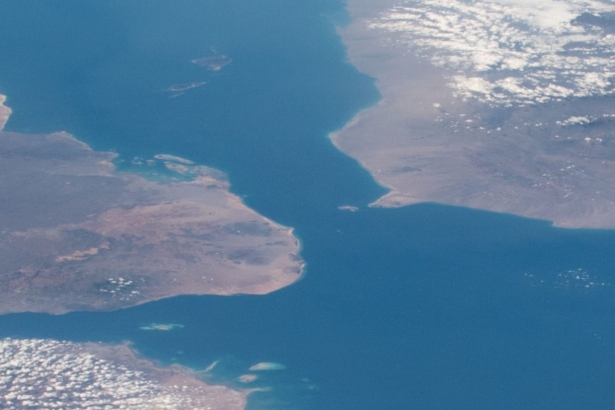
That announcement came first. Government-aligned forces said they were quitting Bab al-Mandeb and nearby Dhubab along the Red Sea shore. Information Minister Salem Abubakr Mohammed Thabit al-Awlaki said the move would help defend Aden and nearby provinces. He said the government sits in Aden temporarily and faces a Houthi buildup.
The retreating units said they would reinforce fronts under threat and keep trying to lift the Taiz siege. The Houthis gave another version. Saba, the group’s news agency, quoted a military source who said government fighters had given up positions and supply routes. They were retreating towards Aden, the source added.
A separate report said Houthi fighters reached a camp about 60 kilometres from Aden after taking positions in Lahj province. Houthi military sources said the group now controls more than 150 kilometres of coast, from Dhubab to near Khor Amira.
Why the Taiz siege matters
Taiz ranks as Yemen’s third-largest city, with about 1 million residents. Government forces hold it, yet Houthi fighters have largely cut off the delivery of goods. Officials have also warned people about sniper fire from nearby hills.
The International Organization for Migration says fighting has uprooted around 134,000 people in the governorate. That is nearly half the 319,000-plus displaced in western Yemen, according to the agency’s count on November 1.
Niku Jafarnia, a Yemen researcher at Human Rights Watch, said the Houthis have cut off fuel, water and medicine that hospitals need to function. Even people who reach a hospital may not get proper care, she said.
One dialysis centre at the Republican Hospital treated 270 patients on a regular basis. Its director warned that it could close completely within days. Because diesel and medical solutions are scarce, staff have shortened sessions from four hours to two and a half.
The wider Taiz siege picture
Back in early October, government forces had won the Bab al-Mandeb area and part of Dhubab back, about a month after the Houthis took control of them. This pullback appeared to end a six-week counteroffensive meant to push the Houthis away from the mouth of the Red Sea.
The strait joins the Red Sea to the Gulf of Aden, and ships heading to or from the Suez Canal pass through it. Control of its shores therefore matters for a key oil route.
The army also counted 906 attacks by air, drone, artillery and rocket under its operation, giving no dates. It said its forces neutralised 201 Houthi fighters and commanders. It also destroyed or damaged 121 vehicles and items of equipment.
The civil war began in 2014, after the Iran-backed Houthis took Sanaa and several provinces. In 2015, a coalition led by Saudi Arabia stepped in on the side of the recognised government.
For now, the Taiz siege leaves civilians short of fuel, water and medicine. Meanwhile, each side told a different story about who holds the coast, and independent confirmation is scarce.
We welcome your contributions! Submit your blogs, opinion pieces, press releases, news story pitches, and news features to opinion@minutemirror.com.pk and minutemirrormail@gmail.com