Summary
- Defence Minister Khawaja Asif and Interior Minister Mohsin Naqvi have rejected Jamiat Ulema-e-Islam-Fazl (JUI-F) chief Maulana Fazlur Rehman’s criticism of Pakistan’s representation at a recent regional meeting in Iran.
- Fazl questioned why Asif did not attend the meeting while Naqvi travelled to Tehran.
- The meeting brought together Chief of Defence Forces and Chief of Army Staff Field Marshal Asim Munir, Saudi Defence Minister Prince Khalid bin Salman and Turkish intelligence chief Ibrahim Kalin.
October 30, 2026
The debate over who visited Tehran and who stayed in Islamabad has distracted attention from the real purpose of Pakistan’s diplomatic efforts. Defence Minister Khawaja Asif and Interior Minister Mohsin Naqvi have rejected Jamiat Ulema-e-Islam-Fazl (JUI-F) chief Maulana Fazlur Rehman’s criticism of Pakistan’s representation at a recent regional meeting in Iran. Fazl questioned why Asif did not attend the meeting while Naqvi travelled to Tehran. However, the ministers clarified that the gathering focused on regional peace and crisis management, not negotiations for a new defence agreement.
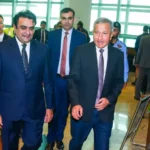
The meeting brought together Chief of Defence Forces and Chief of Army Staff Field Marshal Asim Munir, Saudi Defence Minister Prince Khalid bin Salman and Turkish intelligence chief Ibrahim Kalin. Iranian President Masoud Pezeshkian and Foreign Minister Abbas Araghchi also attended. The participants agreed to continue dialogue to improve regional cooperation and promote peace and security.
In the National Assembly, Asif said the meeting did not fall within the Defence Ministry’s direct responsibilities. He also credited Field Marshal Munir with helping create the conditions for dialogue and reducing regional tensions. In the Senate, Naqvi said he had travelled to Tehran on the prime minister’s instructions to discuss the regional crisis involving Iran.
However, the debate over which minister attended the meeting misses the larger picture. Diplomacy has many faces. It does not always require a foreign minister or defence minister to lead every discussion. Military leaders, intelligence officials and political representatives can all play important roles in building trust and preventing conflict.
Field Marshal Munir appears to have the confidence of both Tehran and Washington, an important advantage at a time when regional tensions threaten wider peace. His engagement with different sides could help Pakistan support dialogue and prevent further escalation.
Instead of turning the visit into a political controversy, government and opposition leaders should focus on its results. Pakistan needs diplomacy that delivers peace, protects national interests and strengthens relations with neighbouring countries and international partners.
The real question is not who travelled to Tehran. It is whether Pakistan’s efforts can help reduce tensions and bring lasting stability to the region.
We welcome your contributions! Submit your blogs, opinion pieces, press releases, news story pitches, and news features to opinion@minutemirror.com.pk and minutemirrormail@gmail.com