


Summary
- By equipping young people with professional skills, the programme creates employment opportunities, encourages heritage conservation, and ensures that the economic benefits of tourism remain within local communities.
- Through this programme, we are equipping local young people with professional skills so they can proudly represent their homeland, preserve its heritage, and benefit economically from responsible tourism.
- Sustainable tourism is not merely about attracting more visitors; it is about creating opportunities for local people while protecting the landscapes, traditions, and heritage that make Tharparkar unique.
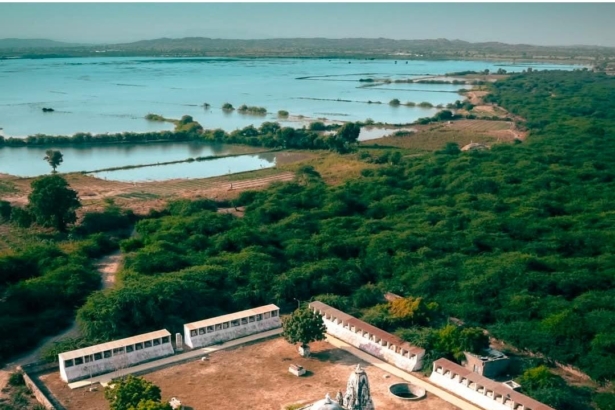
Tharparkar, Pakistan’s largest desert district, has emerged as one of Sindh’s most captivating tourist destinations. Every year, thousands of visitors travel to the region to experience its rolling sand dunes, the majestic Karoonjhar Hills, centuries-old Jain temples, sacred shrines, rich biodiversity, vibrant handicrafts, and unique cultural traditions. Among its many attractions, Nagarparkar stands out as a remarkable destination where history, spirituality, and breathtaking natural beauty converge.
Despite its immense tourism potential, the district continues to face serious infrastructural shortcomings that undermine visitors’ experiences and limit economic opportunities for local communities. Basic facilities such as guest houses, hygienic food outlets, public washrooms, medical assistance, and visitor information centres remain scarce. Families visiting popular destinations often struggle to find suitable accommodation or essential services, discouraging longer stays and repeat visits.
Safety has also become a growing concern. In recent years, several tragic drowning incidents have occurred at deep reservoirs and dams where tourists entered the water without adequate knowledge of the risks. The absence of warning signs, trained rescue personnel, and emergency response mechanisms highlights the urgent need for stronger safety measures. Installing clear signage, deploying trained lifeguards, and introducing emergency response systems would significantly reduce preventable accidents while making tourist destinations safer for everyone.
As tourism continues to grow, government institutions and local stakeholders must work together to improve visitor facilities. Establishing temporary tent villages during the peak tourist season would provide affordable accommodation equipped with clean bedding, electricity, drinking water, and proper sanitation. Encouraging local entrepreneurs to operate quality food outlets would not only introduce visitors to Thar’s traditional cuisine but also generate sustainable income for local families. Similarly, medical camps, trained tourist guides, and visible law enforcement personnel would improve visitor confidence while promoting responsible tourism practices.
Encouragingly, a significant step towards sustainable tourism and youth empowerment has recently been taken through the Travel & Tourism Trade Program launched by the Thar Education Alliance (TEA). Supported by Bank Alfalah and implemented in collaboration with the Culture, Tourism, Antiquities and Archives Department, Government of Sindh, the initiative aims to prepare local youth as professional tourist guides while strengthening community-based tourism.
The programme’s first cohort comprises 25 young men and women from Nagarparkar and surrounding villages. Participants are receiving practical training in heritage interpretation, communication skills, hospitality, customer service, safety procedures, first aid, and responsible tourism. Once trained, they will serve as professional ambassadors, guiding visitors through Nagarparkar’s iconic granite hills, historic Jain temples, archaeological sites, desert landscapes, wildlife habitats, traditional villages, handicrafts, and the region’s rich cultural heritage.
This initiative represents far more than vocational training. It demonstrates how tourism can become a powerful driver of local economic development when communities are placed at its centre. By equipping young people with professional skills, the programme creates employment opportunities, encourages heritage conservation, and ensures that the economic benefits of tourism remain within local communities.
Through partnerships with government departments, development organizations, and the private sector, the TEA continues to empower marginalized communities through education and skills development.
Speaking about the initiative, Partab Shivani, Chief Executive Officer of Thar Education Alliance, said that the programme represents an investment in both the future of Thar’s youth and the preservation of its cultural heritage.
“Nagarparkar possesses extraordinary natural beauty, a rich history, and a unique cultural identity. Through this programme, we are equipping local young people with professional skills so they can proudly represent their homeland, preserve its heritage, and benefit economically from responsible tourism. When local communities become the face of tourism, they become the strongest custodians of their culture and environment.”
His words reflect an important reality. Sustainable tourism is not merely about attracting more visitors; it is about creating opportunities for local people while protecting the landscapes, traditions, and heritage that make Tharparkar unique. Investing in youth, improving tourism infrastructure, and ensuring visitor safety can transform Tharparkar into a model of community-led tourism, where economic development goes hand in hand with cultural preservation and environmental responsibility.









Great 👍