Summary
- The UK’s annual inflation rate rose to 2.9% in July, up from 2.6% in June, with higher household energy costs contributing significantly to the increase, according to the Office for National Statistics (ONS).
- Volatility in global energy costs, alongside the ongoing conflict in the Middle East, has raised concerns about the potential impact on household spending and inflation.
- Higher utility bills are particularly significant for households because energy costs affect not only direct household spending but can also increase the operating expenses of businesses.
The UK’s annual inflation rate rose to 2.9% in July, up from 2.6% in June, with higher household energy costs contributing significantly to the increase, according to the Office for National Statistics (ONS).
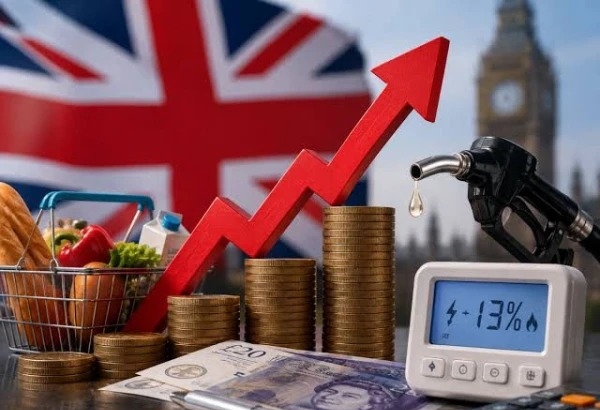
The latest figures indicate renewed pressure on household budgets as consumers face higher electricity and gas bills. The increase came after a 13% rise in the domestic energy price cap was implemented last month, pushing up household energy expenses.
According to the ONS, the rise in gas prices was particularly significant and represented the largest increase in almost four years. The higher energy costs have added to the financial pressure already being experienced by households dealing with elevated living expenses.
UK authorities have also warned that developments in international energy markets could continue to influence domestic prices. Volatility in global energy costs, alongside the ongoing conflict in the Middle East, has raised concerns about the potential impact on household spending and inflation.
The government has announced several measures aimed at easing the pressure on consumers. These include tax-related relief on domestic electricity costs and a cap on bus fares designed to help reduce some everyday expenses.
UK Finance Minister John Healey said the inflationary effects linked to the conflict involving Iran were being felt across the economy. He described the UK economy as resilient while acknowledging that further action may be required to deal with continuing price pressures.
Economists have warned that elevated energy costs could keep inflation above comfortable levels in the coming months. The outlook could become more challenging if global energy prices remain volatile or geopolitical tensions in the Middle East continue.
Higher utility bills are particularly significant for households because energy costs affect not only direct household spending but can also increase the operating expenses of businesses. Such additional costs can eventually feed through to prices for goods and services.
The latest inflation figures will therefore be closely watched by policymakers, businesses and consumers. Any further increase in energy prices could complicate efforts to bring inflation down and ease the cost-of-living burden on households.
We welcome your contributions! Submit your blogs, opinion pieces, press releases, news story pitches, and news features to opinion@minutemirror.com.pk and minutemirrormail@gmail.com