Summary
- Canadian Prime Minister has described the emerging agreement between the United States and Iran as a potential “game changer,” expressing optimism that the deal could reshape the political landscape of the Middle East and help ease tensions that have gripped the region for months.
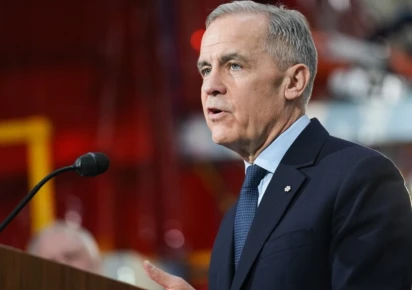
- Speaking on the third day of the G7 summit in Evian, France, Carney said world leaders were encouraged by progress toward a US-Iran understanding that could pave the way for a broader settlement of regional conflicts.
- “There is a likelihood that this memorandum of understanding agreement could be a game changer,” Carney told reporters, highlighting what he described as constructive discussions among G7 leaders, including US President .
Canadian Prime Minister has described the emerging agreement between the United States and Iran as a potential “game changer,” expressing optimism that the deal could reshape the political landscape of the Middle East and help ease tensions that have gripped the region for months.
Speaking on the third day of the G7 summit in Evian, France, Carney said world leaders were encouraged by progress toward a US-Iran understanding that could pave the way for a broader settlement of regional conflicts.
“There is a likelihood that this memorandum of understanding agreement could be a game changer,” Carney told reporters, highlighting what he described as constructive discussions among G7 leaders, including US President .
The proposed agreement follows months of intense diplomatic efforts after tensions escalated dramatically following US-Israeli strikes on Tehran earlier this year. While details of the memorandum have not been publicly released, negotiations are expected to move into a crucial new phase this week.
According to diplomatic sources, talks aimed at reaching a final settlement are scheduled to begin on Friday in Switzerland immediately after the formal signing of the accord. Negotiators will then have a 60-day period to finalize key provisions and implementation mechanisms.
Carney suggested that the effects of the agreement could extend far beyond Iran. He noted that G7 leaders also held extensive discussions regarding Ukraine and Lebanon, two conflicts closely linked to broader regional stability.
The Canadian leader said he had observed what he described as a noticeable shift in Washington’s approach toward Ukraine. He pointed to stronger support for Kyiv, increased pressure on Russia through sanctions, and a more realistic assessment of how the conflict may ultimately be resolved.
At the same time, leaders devoted significant attention to the situation in Lebanon, where recent Israeli strikes against alleged Hezbollah positions have threatened to overshadow diplomatic progress.
Those military operations have raised concerns that renewed violence could complicate efforts to build momentum around the US-Iran agreement. Nevertheless, Carney remained cautiously optimistic.
“Yes, there are risks. Yes, the accord has to be put into place,” he acknowledged. “But the fact that so many countries were involved in its development and remain invested in its success creates positive ripple effects.”
The G7 nations echoed that optimism in a joint statement issued late Tuesday, describing the agreement as a historic opportunity to prevent Iran from obtaining nuclear weapons while addressing concerns about regional security and missile activities.
As diplomats prepare for the next round of negotiations, hopes are growing that the agreement could mark a turning point for a region long shaped by conflict, mistrust, and geopolitical rivalry. While major challenges remain, supporters believe the deal offers one of the strongest opportunities in years to reduce tensions and create a foundation for lasting stability across the Middle East.
We welcome your contributions! Submit your blogs, opinion pieces, press releases, news story pitches, and news features to [email protected] and [email protected]