Summary
- DOHA: High-stakes diplomatic efforts between the United States and Iran have entered a critical phase as indirect talks in Qatar focus on two of the most sensitive issues shaping regional stability: Tehran’s frozen assets and the future of navigation through the Strait of Hormuz.
- At the center of the discussions are billions of dollars in Iranian funds frozen abroad and arrangements governing maritime traffic through the Strait of Hormuz, a strategic waterway that handles a significant portion of global oil shipments.
- Iranian officials continue to reject direct meetings with US envoys, while disagreements persist over nuclear restrictions, sanctions relief, maritime security, and regional conflicts.
DOHA: High-stakes diplomatic efforts between the United States and Iran have entered a critical phase as indirect talks in Qatar focus on two of the most sensitive issues shaping regional stability: Tehran’s frozen assets and the future of navigation through the Strait of Hormuz.
According to a senior Iranian official, negotiations began Tuesday night in Doha and continued into Wednesday through intermediaries rather than direct face-to-face meetings. Iranian representatives reportedly held discussions with Qatari and Pakistani officials, who then relayed messages to the American side.
The talks come amid lingering tensions following months of military confrontation and growing concerns about the security of one of the world’s most important energy corridors.
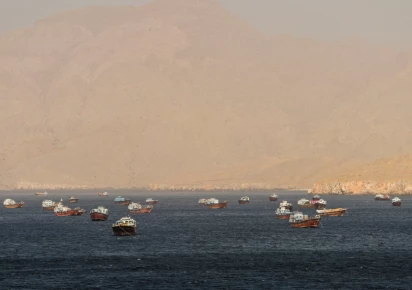
At the center of the discussions are billions of dollars in Iranian funds frozen abroad and arrangements governing maritime traffic through the Strait of Hormuz, a strategic waterway that handles a significant portion of global oil shipments.
While diplomatic channels remain open, sharp differences continue to divide the two sides.
Iran has repeatedly denied reports suggesting direct negotiations with Washington, insisting that all communication is being conducted through mediators. Meanwhile, American officials have expressed cautious optimism while emphasizing that the United States remains prepared for multiple outcomes.
US Vice President JD Vance said Washington hopes the talks succeed but believes it remains in a strong position regardless of the outcome. He also warned that any future threat to international shipping in the Strait of Hormuz would trigger a firm American response.
Adding to the uncertainty, Israeli Defense Minister Israel Katz stated that Israel could launch additional military action against Iran if it considered such action necessary. His remarks underscored the fragile security environment surrounding the negotiations.
Meanwhile, an incident in the Strait of Hormuz highlighted the strategic importance of the waterway. Iranian media reported that a foreign vessel ran aground after allegedly departing from a navigation route designated by Iranian authorities. Although no injuries or major disruptions were reported, the event renewed attention on Tehran’s growing role in regulating maritime traffic through the region.
China also weighed in on the negotiations. Chinese Foreign Ministry spokesperson Guo Jiakun called on both Washington and Tehran to advance dialogue and work toward a comprehensive settlement. Beijing reiterated its long-standing position that sanctions on Iran should eventually be lifted through diplomatic engagement.
Despite ongoing discussions, major obstacles remain. Iranian officials continue to reject direct meetings with US envoys, while disagreements persist over nuclear restrictions, sanctions relief, maritime security, and regional conflicts.
The outcome of the Doha talks could have far-reaching consequences not only for US-Iran relations but also for global energy markets. Investors and governments worldwide are closely monitoring developments, knowing that any breakthrough—or breakdown—could influence oil prices, shipping routes, and broader Middle East stability.
For now, diplomacy remains active, but the path toward a lasting agreement remains uncertain as both sides continue to test whether dialogue can succeed where confrontation has failed.
We welcome your contributions! Submit your blogs, opinion pieces, press releases, news story pitches, and news features to opinion@minutemirror.com.pk and minutemirrormail@gmail.com