Summary
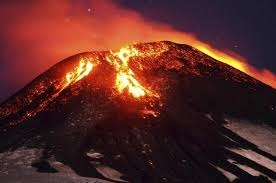
- People living on islands near Papua New Guinea are facing new worries after a volcanic eruption sent huge amounts of floating volcanic rock into the sea.
- Although pumice itself is a natural material, large amounts of it can affect coastal areas and marine ecosystems.
- While local people are familiar with natural events, each eruption can bring different challenges.
People living on islands near Papua New Guinea are facing new worries after a volcanic eruption sent huge amounts of floating volcanic rock into the sea. The unusual event has covered parts of the coastline with pumice, a lightweight rock formed during volcanic eruptions, creating concerns about fishing and food supplies.
Residents were surprised when large amounts of grey pumice began appearing along beaches and coastal waters. The floating rock traveled through the ocean after the eruption and eventually reached nearby islands. While the sight was unusual and attracted attention, many local families quickly became concerned about its possible effects on their daily lives.
For many people in these communities, fishing is more than just a job. It is an important source of food and income. Families depend on fish to feed their households and earn money. Because of this, anything that affects the sea can have a direct impact on their lives.
Local fishermen say the floating pumice has made some fishing activities more difficult. Boats have faced challenges moving through areas where the rock has gathered. Some fishermen also worry that fish may move away from affected areas or that changes in the water could disturb marine life.
These concerns have increased fears about food security. If fishing becomes difficult for a long period, some families may struggle to get enough food or maintain their income. Many residents are hoping that the situation improves quickly so they can continue their normal routines.
Experts are now studying the impact of the volcanic rock on the environment. Scientists explain that pumice rafts are a natural result of certain volcanic eruptions. Because pumice contains many tiny air pockets, it can float on water for long periods and travel long distances across the ocean.
Although pumice itself is a natural material, large amounts of it can affect coastal areas and marine ecosystems. Researchers are trying to understand whether the floating rock could change fish behavior, damage marine habitats, or create long-term challenges for local communities.
The eruption has also reminded people how powerful natural events can be. Even after a volcano stops erupting, its effects can continue for weeks or months. In this case, the floating pumice has carried the impact of the eruption far beyond the volcano itself.
Local authorities are keeping a close watch on the situation. Community leaders are encouraging residents to stay informed and follow any advice from officials. At the same time, experts are collecting information to better understand how the environment is responding.
Many residents remain hopeful that the effects will be temporary. They are waiting for more information from scientists and hoping that fishing conditions will soon return to normal. For communities that depend heavily on the sea, the health of marine life is extremely important.
Papua New Guinea is located in a region known for earthquakes and volcanic activity. While local people are familiar with natural events, each eruption can bring different challenges. This latest incident has shown how quickly nature can affect everyday life and create unexpected problems.
Island communities continue to monitor the coastline and watch the movement of the floating pumice. As scientists study the situation and authorities provide updates, residents remain focused on protecting their livelihoods and ensuring that food remains available for their families.
We welcome your contributions! Submit your blogs, opinion pieces, press releases, news story pitches, and news features to [email protected] and [email protected]