Summary
- Health officials said many patients arrived with severe abdominal pain, diarrhoea, vomiting and other symptoms linked to gastrointestinal infections.
- District Health Officer (DHO) Dr Khalid Khan said health authorities collected water samples from 40 locations across the district and sent them to Khyber Medical University (KMU) in Peshawar for laboratory analysis.
- Doctors have also confirmed cholera in three patients, while health officials suspect contaminated water has caused many of the other reported illnesses.
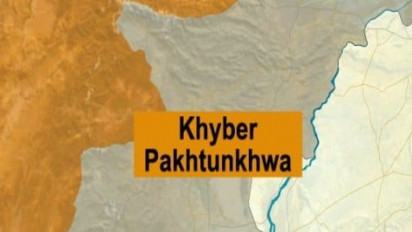
Cases of gastroenteritis and other waterborne diseases are increasing across several areas of Upper Dir district in Khyber-Pakhtunkhwa, with hundreds of people seeking medical treatment over the past three days.
Hospitals in Dir, Wari, Sheringal and Ashirei Dara have admitted a growing number of patients, including children, women and elderly people. Health officials said many patients arrived with severe abdominal pain, diarrhoea, vomiting and other symptoms linked to gastrointestinal infections.
District Health Officer (DHO) Dr Khalid Khan said health authorities collected water samples from 40 locations across the district and sent them to Khyber Medical University (KMU) in Peshawar for laboratory analysis. The testing found 29 samples unfit for human consumption, raising concerns over the quality of drinking water in the affected areas.
Doctors have also confirmed cholera in three patients, while health officials suspect contaminated water has caused many of the other reported illnesses.
Dr Khalid said the health department was closely monitoring the situation and currently considered the outbreak under control. Hospitals are admitting patients with severe symptoms, while medical teams are treating those with milder conditions and discharging them once their condition improves.
The DHO said the health crisis has continued for around one and a half months. During this period, more than 2,000 people suffering from gastroenteritis and related illnesses have received treatment in different healthcare facilities across the district.
Following the laboratory findings, the tehsil municipal administration carried out chlorination at water sources in the affected areas to reduce the risk of further infections. However, Dr Khalid cautioned that chlorination alone cannot provide a long-term solution and stressed the need to address the underlying water and sanitation problems.
Health authorities have urged residents to take extra precautions, particularly when preparing and storing food and drinking water. People have been advised to use safe and clean water, maintain proper hand hygiene and avoid consuming food or water that may be contaminated.
Officials are continuing to monitor new cases and have advised residents to seek medical attention promptly if they develop persistent diarrhoea, vomiting, severe abdominal pain or other symptoms of waterborne illness.
We welcome your contributions! Submit your blogs, opinion pieces, press releases, news story pitches, and news features to opinion@minutemirror.com.pk and minutemirrormail@gmail.com