Summary
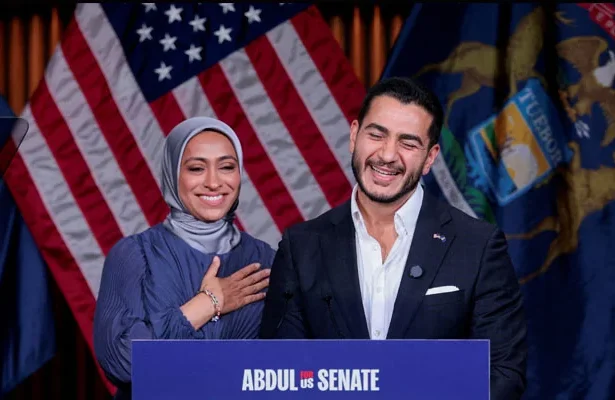
- Abdul El-Sayed has made history by becoming the first Muslim elected to the US Senate, marking a major breakthrough for the Democratic Party’s progressive wing.
- His victory represents a significant moment for Muslim representation in American politics, as he becomes the first Muslim to win election to the US Senate.
- During the campaign, Rogers attempted to portray El-Sayed as a radical candidate by questioning his alleged links to the Muslim Brotherhood and suggesting sympathy towards Islamic extremism.
Abdul El-Sayed has made history by becoming the first Muslim elected to the US Senate, marking a major breakthrough for the Democratic Party’s progressive wing.
The 42-year-old Democrat secured victory while helping his party retain a crucial Senate seat previously held by retiring Senator Gary Peters. His win also denied Republicans an opportunity to gain the seat as both parties compete for control of the upper chamber of Congress.
Who is Abdul El-Sayed?
El-Sayed is a former public health official who built his campaign around reducing living costs for working families, expanding healthcare access and limiting corporate influence in politics.
One of the central proposals in his political platform was Medicare for All, a government-funded universal healthcare programme backed by progressive Democrats. His campaign focused on economic concerns and policies aimed at improving access to essential services.
His victory represents a significant moment for Muslim representation in American politics, as he becomes the first Muslim to win election to the US Senate.
Who was his opponent Mike Rogers?
El-Sayed defeated Republican candidate Mike Rogers, a 63-year-old former congressman and FBI agent who entered the race with strong support from Donald Trump and Republican leaders.
During the campaign, Rogers attempted to portray El-Sayed as a radical candidate by questioning his alleged links to the Muslim Brotherhood and suggesting sympathy towards Islamic extremism. El-Sayed rejected the allegations.
Rogers also sought support from Jewish voters, highlighting El-Sayed’s opposition to US military assistance to Israel and his description of Israel’s actions in Gaza as genocide.
However, Rogers struggled to overcome voters’ concerns about the economy and dissatisfaction with Trump’s performance. In the final weeks of the campaign, he also disagreed with the president over the war in Iran and the US trade dispute with Canada, arguing that resolving both issues was necessary to reduce costs for businesses and consumers.
El-Sayed’s victory has given the Democratic Party’s progressive movement a significant boost while securing a historic milestone for Muslim representation in the United States.
We welcome your contributions! Submit your blogs, opinion pieces, press releases, news story pitches, and news features to opinion@minutemirror.com.pk and minutemirrormail@gmail.com