Summary
- The contrast has left many people wondering: if millions in South Asia regularly endure such heat, why is Europe struggling to cope?
- Residents of South Asia are accustomed to long, hot summers, and their bodies have developed greater tolerance to high temperatures.
- In South Asia, homes and buildings are often designed with ventilation, shade and heat management in mind.
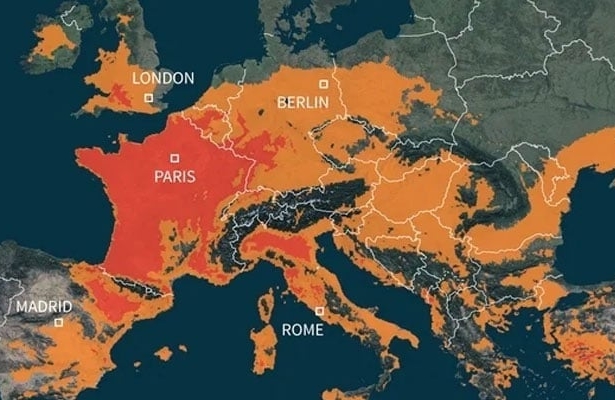
LONDON: Temperatures of 35°C to 40°C are a familiar part of summer life across Pakistan, India and much of South Asia. Yet in Europe, similar temperatures have triggered a deadly crisis, claiming more than 1,000 lives within just a few days and forcing authorities to close schools, museums and public facilities.
The contrast has left many people wondering: if millions in South Asia regularly endure such heat, why is Europe struggling to cope?
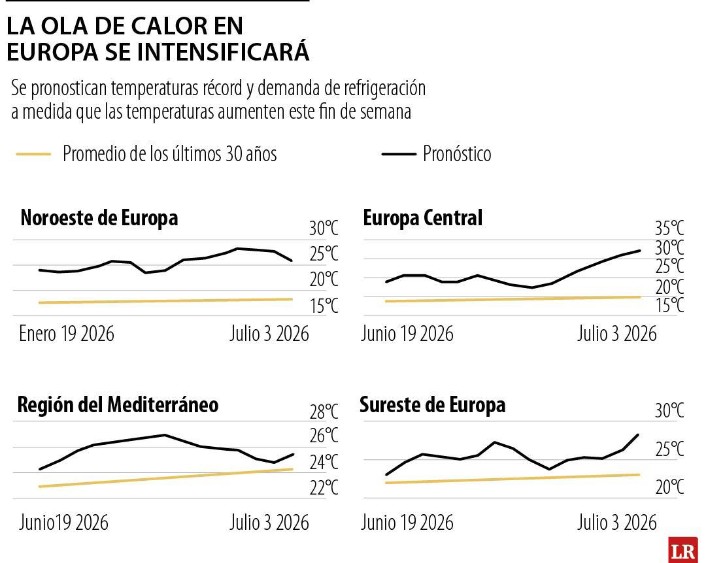
According to international media reports, a powerful heatwave that began around June 20 has swept across several European countries, pushing temperatures beyond 40°C in some regions. Health officials say the majority of the victims were aged 65 and older, highlighting the severe impact of extreme heat on vulnerable populations.
Experts say the answer lies in a combination of climate adaptation, infrastructure, humidity and unusually hot nights.
Bodies Adapt to Local Climates
One of the biggest reasons is that people living in different regions adapt to their local environments over time.
Residents of South Asia are accustomed to long, hot summers, and their bodies have developed greater tolerance to high temperatures. In contrast, much of Europe enjoys a cooler climate throughout the year. As a result, many Europeans are less prepared physically for prolonged periods of extreme heat.
Health experts explain that sudden spikes in temperature can place significant stress on the human body’s natural cooling system, especially among elderly people and those with pre-existing health conditions.
Buildings Designed for Cold Weather
Another major factor is infrastructure.
In South Asia, homes and buildings are often designed with ventilation, shade and heat management in mind. Traditional architecture has evolved over centuries to help people stay cool during scorching summers.
European buildings, however, are largely designed to retain heat during long winters. Thick walls, insulated windows and limited airflow help keep homes warm in cold weather but can turn them into heat traps during extreme summer conditions.
As temperatures rise outside, indoor temperatures can become dangerously high, especially in buildings without air conditioning.
Hot Nights Increase the Risk
Experts also point to unusually warm nights as a key reason behind the rising death toll.
Normally, cooler nighttime temperatures allow the human body to recover from daytime heat. During the current European heatwave, however, nights have remained exceptionally warm, preventing people from cooling down.
The continuous exposure to heat places extra strain on the heart and other organs, increasing the risk of heatstroke, dehydration and other life-threatening conditions.
The Humidity Factor
Temperature alone does not tell the full story. Humidity plays a crucial role in determining how hot conditions actually feel.
When humidity levels are high, sweat evaporates more slowly, reducing the body’s ability to cool itself naturally. Meteorologists say elevated humidity levels across parts of Europe have intensified the effects of the heatwave and contributed to the growing number of casualties.
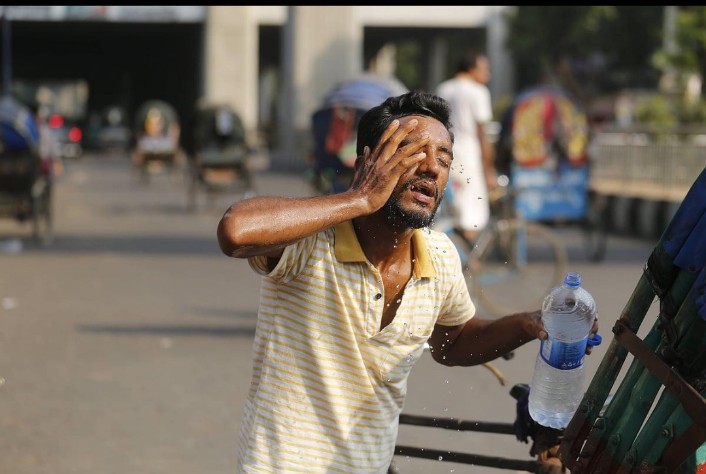
As climate change continues to drive more frequent and intense heatwaves, experts warn that Europe may need to adapt quickly to a future where extreme summer temperatures become increasingly common rather than exceptional.
We welcome your contributions! Submit your blogs, opinion pieces, press releases, news story pitches, and news features to opinion@minutemirror.com.pk and minutemirrormail@gmail.com