Summary
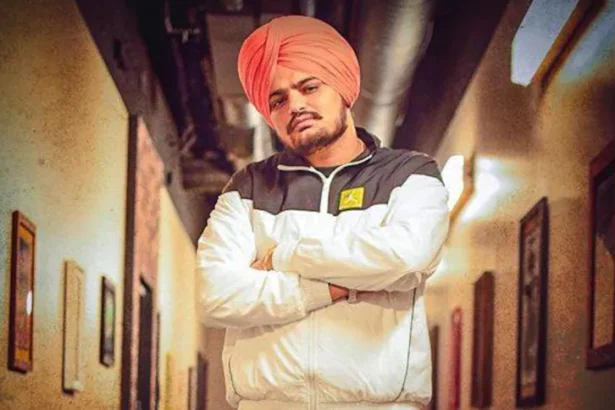
- Punjabi music fans have witnessed a remarkable blend of technology and entertainment as late singer and rapper Sidhu Moose Wala appeared on stage as a lifelike 3D hologram during the opening concert of his Signed to God world tour in Toronto.
- He said the technology could allow fans to communicate with digital versions of their favourite artists in different languages, creating experiences that extend beyond traditional concerts.
- Technology experts say the quality of holographic experiences has improved considerably since then, with artificial intelligence helping create more realistic digital representations.
Punjabi music fans have witnessed a remarkable blend of technology and entertainment as late singer and rapper Sidhu Moose Wala appeared on stage as a lifelike 3D hologram during the opening concert of his Signed to God world tour in Toronto.
The show took place at Scotiabank Arena on October 9, 2026, attracting fans who travelled from different places to experience the late artist’s digital comeback. Moose Wala was killed in a shooting near his hometown in northern India in 2022, but his music continues to attract a devoted following worldwide.
For some fans, the concert was worth travelling long distances and spending hundreds of dollars on tickets. Ravinder Sidhu and his sister, Nav, travelled from India to Toronto for the performance, paying $550 each to attend the show. Ravinder said they were extremely excited to see how technology would recreate the singer on stage.
Another fan, Harry Singh, travelled from California and paid $270 for his ticket. He said ticket prices had increased significantly closer to the event, with some advertised tickets reaching nearly $2,000 before taxes and additional fees. Similar prices were being reported for the tour’s upcoming stop in Vancouver.
The performance featured several musical guests and a 3D holographic representation of Moose Wala. According to Singh, the show also included an unreleased track titled Rebirth and an appearance by the singer’s younger brother. Videos from the concert showed fans raising their phones to record the performance while singing along with the digital recreation of the artist.
The event highlights the growing use of holographic technology to bring deceased musicians back to the stage. Music industry experts believe such performances could become increasingly common as technology advances and audiences seek new ways to connect with their favourite artists.
Music journalist and historian Alan Cross pointed to the success of ABBA Voyage in London, where digital versions of the Swedish pop group perform alongside a live band. He said the ageing of established musicians, the commercial value of music catalogues and audiences’ familiarity with digital experiences could help drive the trend.
Cross also suggested that holographic performances could offer artists a way to remain present in the entertainment industry even after their deaths, giving future generations an opportunity to experience their music in a new format.
David Nussbaum, founder of Los Angeles-based hologram company Proto, said digital recreations of deceased performers could create new opportunities for fan engagement. His company is working with Jack and Sharon Osbourne on a digital recreation of late Black Sabbath frontman Ozzy Osbourne.
Nussbaum described the project as an artificial intelligence-powered avatar capable of interacting with people. He said the technology could allow fans to communicate with digital versions of their favourite artists in different languages, creating experiences that extend beyond traditional concerts.
The concept of digitally recreating musicians is not new. One of the most widely discussed examples came in 2012, when a holographic representation of rapper Tupac Shakur appeared alongside Snoop Dogg at the Coachella Valley Music and Arts Festival. The performance attracted international attention and demonstrated the possibilities of combining entertainment with emerging visual technology.
Technology experts say the quality of holographic experiences has improved considerably since then, with artificial intelligence helping create more realistic digital representations. Companies are now developing systems that can display lifelike, three-dimensional images and potentially allow audiences to interact with digital personalities.
Proto’s technology includes life-sized display units designed to project realistic, high-resolution images of people and objects. While holograms have gained attention in music and entertainment, Nussbaum said the technology is also being used in other fields, including healthcare, education and museums.
For example, holographic displays can allow medical specialists to appear remotely in clinics, helping patients in areas with limited access to expert care. Educators can also use the technology to appear at institutions without travelling, while museums can create more immersive experiences for visitors.
The technology is also moving beyond concert stages. Proto has worked with rock band Bon Jovi to create an interactive holographic experience featuring frontman Jon Bon Jovi, allowing fans to pose for photographs with a realistic digital representation.
Experts believe similar experiences could eventually become available to consumers at home. As smartphones and other devices become more advanced, holographic and AI-powered features may gradually become part of everyday digital entertainment.
Moose Wala’s holographic appearance in Toronto demonstrates how technology is changing the relationship between artists and their audiences. While such performances cannot replace the presence of the original artist, they offer fans a new way to celebrate a musical legacy and experience familiar songs in a live-event setting.
We welcome your contributions! Submit your blogs, opinion pieces, press releases, news story pitches, and news features to opinion@minutemirror.com.pk and minutemirrormail@gmail.com