Summary
- Pakistan has received rare international praise after a Wall Street Journal (WSJ) opinion article described the country as the “Big Winner of the Iran Deal.” The article said Pakistan’s role as a mediator between the United States and Iran has helped improve its image around the world and brought it into the international spotlight.
- According to the report, Pakistan played an important role in helping the United States and Iran hold talks aimed at ending their recent conflict.
- Pakistan has increased cooperation with the United States in several areas, including security and economic matters.
Pakistan has received rare international praise after a Wall Street Journal (WSJ) opinion article described the country as the “Big Winner of the Iran Deal.” The article said Pakistan’s role as a mediator between the United States and Iran has helped improve its image around the world and brought it into the international spotlight.
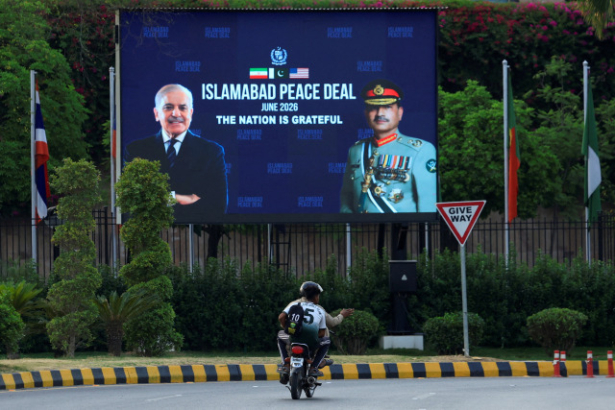
According to the report, Pakistan played an important role in helping the United States and Iran hold talks aimed at ending their recent conflict. The negotiations were reportedly held with Pakistan’s support and mediation, with a formal agreement expected to be signed in Switzerland.
The WSJ article argued that if the agreement succeeds, Pakistan will be seen as one of the biggest beneficiaries. The country has gained positive attention from international media and has strengthened its diplomatic position at a time when many countries are competing for influence in global affairs.
For many years, Pakistan’s international image has often been linked to security concerns, political instability, and economic challenges. Because of this, positive coverage in major Western media outlets has been relatively uncommon. The article noted that Pakistan’s involvement in the talks has changed the conversation and presented the country as a helpful diplomatic partner.
Analysts say the development is significant because Pakistan was not considered the most likely country to mediate between Washington and Tehran. Relations between Pakistan and the United States have experienced ups and downs over the past two decades. Issues related to Afghanistan, counterterrorism policies, and regional politics have often created tensions between the two countries.
However, recent developments appear to have improved ties between Islamabad and Washington. Pakistan has increased cooperation with the United States in several areas, including security and economic matters. These improved relations may have helped create the trust needed for Pakistan to play a mediating role.
The article also highlighted the growing personal relationship between Pakistani leaders and the administration of U.S. President Donald Trump. In recent months, senior officials from both countries have exchanged positive messages and held several meetings. Supporters of the government believe this has helped Pakistan regain diplomatic importance on the world stage.
Government officials in Pakistan have welcomed international recognition of the country’s efforts. They say Pakistan has always supported dialogue and peaceful solutions to conflicts. According to officials, the country’s role in encouraging talks reflects its commitment to regional stability and peace.
Political observers note that successful mediation can bring several benefits. It can improve a country’s reputation, attract international attention, and create opportunities for stronger economic and political partnerships. Some experts believe Pakistan could use this momentum to attract foreign investment and increase trade with other nations.
Despite the positive attention, the WSJ article also offered a note of caution. It warned that diplomatic success alone will not solve Pakistan’s long-standing economic problems. The article argued that Pakistan should use this moment to focus on economic reforms and improve living conditions for its people.
Pakistan continues to face several economic challenges, including slow growth, inflation, poverty, and unemployment. International financial institutions have repeatedly called for reforms to strengthen the economy and improve public services. Economists say that while diplomatic achievements are valuable, ordinary citizens will benefit most from stronger economic performance.
The article pointed to concerns about poverty and education. Millions of Pakistanis still struggle with limited access to quality healthcare, education, and employment opportunities. Experts argue that long-term progress will depend on investments in human development, infrastructure, and economic productivity.
Some analysts also believe Pakistan’s new diplomatic role carries risks. If the agreement between the United States and Iran faces criticism in the future, countries involved in the mediation process could also face scrutiny. As a result, Pakistan will need to manage its growing international profile carefully.
Others argue that the country should take advantage of the current attention to strengthen relations with a wider range of nations. Building strong economic partnerships and attracting international investors could help transform diplomatic success into long-term economic gains.
Public reaction in Pakistan has largely been positive. Many citizens have expressed pride that their country is being recognized for promoting peace rather than being associated only with security issues. Social media users and commentators have described the development as a welcome change in how Pakistan is viewed internationally.
Whether the Iran agreement ultimately succeeds remains to be seen. However, Pakistan’s role in bringing the two sides together has already earned international recognition. The country now faces an important challenge: turning diplomatic goodwill into real improvements for its economy and its people.
For now, the praise from one of the world’s most influential newspapers represents a significant moment for Pakistan. The attention has highlighted the country’s ability to play a constructive role in international affairs and has given it an opportunity to present a different image to the world.
We welcome your contributions! Submit your blogs, opinion pieces, press releases, news story pitches, and news features to [email protected] and [email protected]