
Summary
- ISLAMABAD: Forty-two years have passed since the horrific massacre of Sikhs in India in 1984, yet the painful memories of that tragedy remain deeply rooted in the Sikh community.
- On October 31, 1984, then Indian Prime Minister Indira Gandhi was assassinated by her Sikh bodyguards following Operation Blue Star.
- Historical Background of the 1984 Massacre Operation Blue Star: In June 1984, the Indian Army launched Operation Blue Star on the orders of Indira Gandhi, targeting the Golden Temple complex in Amritsar, the holiest religious site of the Sikh community.
ISLAMABAD: Forty-two years have passed since the horrific massacre of Sikhs in India in 1984, yet the painful memories of that tragedy remain deeply rooted in the Sikh community. The anniversary serves as a reminder of one of the darkest chapters in Indian history, when thousands of innocent Sikhs lost their lives and countless families were left devastated.
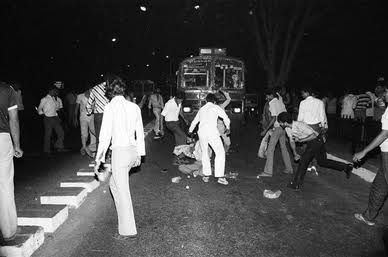
On October 31, 1984, then Indian Prime Minister Indira Gandhi was assassinated by her Sikh bodyguards following Operation Blue Star. In the aftermath, widespread violence erupted against Sikhs, particularly on November 1, in New Delhi and several other cities across India.
Historical Background of the 1984 Massacre
Operation Blue Star: In June 1984, the Indian Army launched Operation Blue Star on the orders of Indira Gandhi, targeting the Golden Temple complex in Amritsar, the holiest religious site of the Sikh community. The military operation involved heavy weaponry and resulted in the deaths of hundreds of people, including Sikh leader Jarnail Singh Bhindranwale and numerous pilgrims. The Akal Takht, a central religious and political institution of Sikhism, also suffered extensive damage.
Organised Violence Against Sikhs: Following Indira Gandhi’s assassination, anti-Sikh violence spread across New Delhi and other parts of India. Allegations emerged that influential leaders of the ruling Congress party had incited and facilitated the attacks. According to official figures, approximately 3,000 Sikhs were killed, while independent estimates by human rights organisations placed the death toll significantly higher, ranging between 8,000 and 17,000. Sikh homes, businesses and places of worship were systematically targeted and set ablaze.
Justice Delayed: Despite the passage of more than four decades, questions surrounding accountability and justice remain unresolved. The slow pace of investigations and legal proceedings has continued to fuel frustration and disappointment among survivors and victims’ families.
Sikh Community Under Modi’s Government
Since Narendra Modi and the Bharatiya Janata Party (BJP) came to power in 2014, concerns regarding the rights and security of religious minorities, including Sikhs, have intensified.
Farmers’ Protest (2020–2021):Sikh farmers from Punjab played a prominent role in the historic nationwide movement against controversial agricultural laws. During the protests, demonstrators faced accusations of being “Khalistanis” and anti-national elements. Concerns were also raised over police action, arrests and the use of stringent laws against protesters.
Crackdown on Sikh Activism: The government’s action against Sikh leader Amritpal Singh triggered widespread concern across Punjab. Internet services were suspended, restrictions were imposed and numerous individuals were detained. The continued imprisonment of several Sikh prisoners, commonly known as Bandi Singhs, despite having reportedly completed their sentences, has also remained a contentious issue.
International Controversies: The killing of Sikh activist Hardeep Singh Nijjar in Canada sparked a diplomatic crisis, with Canadian authorities alleging links to Indian government agents. Similarly, US authorities accused an Indian national of involvement in an alleged plot to assassinate Sikh separatist leader Gurpatwant Singh Pannun on American soil.
Continuing Concerns
The legacy of 1984 continues to shape the Sikh community’s relationship with the Indian state. Critics argue that unresolved historical injustices, growing concerns over religious freedom and allegations of transnational targeting have deepened insecurity among Sikhs.
As the community marks another anniversary of the massacre, demands for accountability, protection of minority rights and justice for victims remain central. The tragedy of 1984 is not merely a historical event but an enduring reminder of the consequences of communal violence and the importance of safeguarding religious freedoms and human rights.
We welcome your contributions! Submit your blogs, opinion pieces, press releases, news story pitches, and news features to opinion@minutemirror.com.pk and minutemirrormail@gmail.com