Summary
- Fighting between the United States and Iran has intensified as both sides launched fresh attacks, raising concerns over the future of the strategic Strait of Hormuz and global energy supplies.
- US President Donald Trump has also proposed a 20 per cent charge on cargo passing through the strait, saying the United States would act as a security guarantor for the waterway.
- The United Arab Emirates reported that two oil tankers were hit by Iranian missiles while travelling through the Strait of Hormuz.
Fighting between the United States and Iran has intensified as both sides launched fresh attacks, raising concerns over the future of the strategic Strait of Hormuz and global energy supplies.
Iran said it carried out missile and drone strikes against US military assets in the region, including a US air base in Jordan and facilities in Kuwait. Tehran also claimed to have targeted an American vessel with cruise missiles.
The United States responded with a new wave of attacks on Iranian positions. US forces carried out strikes for several hours, targeting what Washington described as Iranian military capabilities linked to operations around the Strait of Hormuz.
The latest escalation has increased uncertainty over a recent understanding aimed at reducing hostilities between the two countries. Analysts warned that while both sides appear to be avoiding a full-scale confrontation, continued strikes could push the conflict beyond control.
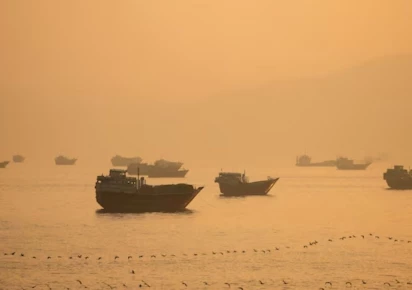
The Strait of Hormuz remains at the centre of the dispute. Iran has said the waterway will only reopen if its rights are respected, while the United States has announced measures to maintain access to the vital shipping route.
US President Donald Trump has also proposed a 20 per cent charge on cargo passing through the strait, saying the United States would act as a security guarantor for the waterway. The proposal has faced criticism from shipping companies and international maritime organisations.
Oil markets reacted strongly to the renewed tensions. Brent crude prices climbed to their highest level in several weeks as traders feared further disruption to global energy supplies.
The United Arab Emirates reported that two oil tankers were hit by Iranian missiles while travelling through the Strait of Hormuz. One crew member was killed, while several others were injured. The vessels suffered major damage before fires were brought under control.
Iran’s Revolutionary Guard said the tankers were targeted after ignoring warnings and attempting to pass through a restricted route. The UAE condemned the incident and called it a threat to maritime security.
Several countries, including Kuwait, expressed concern over the attacks and warned that continued violence could endanger international shipping and energy markets.
The United Nations has also raised objections to imposing mandatory fees on ships using international waterways, saying such charges lack legal justification.
The Strait of Hormuz is one of the world’s most important energy routes, with a significant portion of global oil shipments passing through it every day. Any prolonged disruption could further increase fuel prices and impact economies worldwide.
We welcome your contributions! Submit your blogs, opinion pieces, press releases, news story pitches, and news features to opinion@minutemirror.com.pk and minutemirrormail@gmail.com