Summary
- The move, ordered by President Donald Trump, marks one of the first tangible concessions from Washington as a 60-day negotiating period with Tehran formally gets underway.
- The announcement confirms earlier reports from Vice President JD Vance, who had revealed that at least 12 ships had already been permitted to pass through the blockade.
- Vice President Vance confirmed earlier that the 60-day negotiating period had officially begun, even as he noted the underlying deal took effect the day prior.
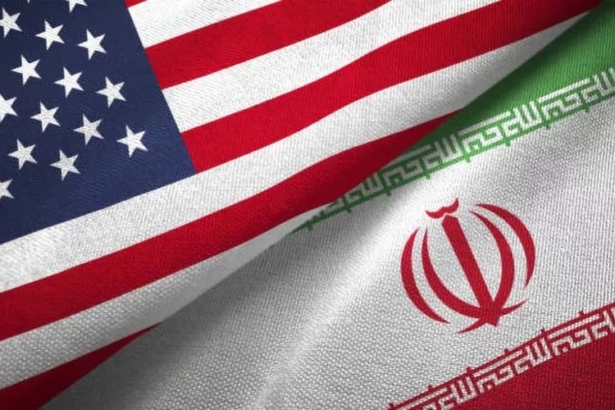
In a concrete demonstration of diplomatic goodwill, U.S. Central Command (Centcom) has officially announced the lifting of the naval blockade on maritime traffic headed to or leaving Iranian ports. The move, ordered by President Donald Trump, marks one of the first tangible concessions from Washington as a 60-day negotiating period with Tehran formally gets underway.
“American forces are not impeding the transit of vessels to or from Iranian ports on the Arabian Gulf and Gulf of Oman. All U.S. military blockade enforcement efforts have ceased,” Centcom declared on X, the platform formerly known as Twitter. The announcement confirms earlier reports from Vice President JD Vance, who had revealed that at least 12 ships had already been permitted to pass through the blockade.
The naval blockade had been a cornerstone of Washington’s “maximum pressure” campaign against Iran, restricting the flow of oil and goods to and from the Islamic Republic. Its lifting signals a significant policy reversal one that Iran’s deputy foreign minister had hinted at earlier, though his claims were met with skepticism at the time. Now, with Centcom’s formal statement, the move is undeniable.
Yet the Pentagon’s announcement carried a clear caveat. “Our great naval ships will remain in the general area to make sure that all aspects of the agreement are adhered to, obeyed and in full force and effect,” Centcom added. The statement suggests that while the blockade itself has been suspended, the U.S. military presence in the region remains robust acting as both a guarantor and a deterrent. Washington is signaling trust, but not naivety.
The timing is critical. Vice President Vance confirmed earlier that the 60-day negotiating period had officially begun, even as he noted the underlying deal took effect the day prior. With the blockade lifted, Tehran now has a tangible incentive to engage in good faith. In return, Washington expects progress on nuclear curbs, regional de-escalation, and, crucially, Lebanon’s Hezbollah a point that has drawn sharp criticism from Israeli officials.
Addressing those critics directly, Vance delivered a blunt message: “Wake up.” The Vice President’s remark appeared aimed at Israeli leaders and their allies in Washington who view any U.S. accommodation with Iran as a strategic betrayal. For the Trump administration, however, the calculus is clear diplomacy is preferable to endless conflict, and a 60-day window offers a chance to test Tehran’s intentions without permanent commitment.
For now, the waters of the Arabian Gulf and Gulf of Oman are flowing freely once more. Whether that flow leads to a lasting peace or merely a temporary pause in hostilities depends on what happens at the negotiating table in the weeks ahead. The blockade is gone; the clock is ticking. The world now watches to see if Iran and the United States can transform this fragile moment into a durable future.
We welcome your contributions! Submit your blogs, opinion pieces, press releases, news story pitches, and news features to [email protected] and [email protected]