Summary
- In a historic development that reshapes the geopolitical landscape of the Middle East, Ayatollah Mojtaba Khamenei has officially confirmed that a memorandum of understanding has been signed between the presidents of Iran and the United States of America.
- To the passionate and loyal nation of Iran, as you have been informed, a memorandum of understanding was signed between the presidents of Iran and the United States of America,” the Ayatollah wrote in a post that quickly garnered over 1,100 engagements.
- With the deal now signed, the question of Hezbollah’s future role looms large.
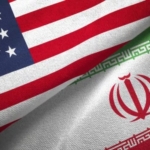
In a historic development that reshapes the geopolitical landscape of the Middle East, Ayatollah Mojtaba Khamenei has officially confirmed that a memorandum of understanding has been signed between the presidents of Iran and the United States of America. The announcement, posted on the Supreme Leader’s official X account, marks the first public acknowledgment from Iran’s highest authority that a deal has been struck.
“In the Name of God, the Compassionate, the Merciful. To the passionate and loyal nation of Iran, as you have been informed, a memorandum of understanding was signed between the presidents of Iran and the United States of America,” the Ayatollah wrote in a post that quickly garnered over 1,100 engagements. The concise but weighty statement effectively endorses the agreement from the Islamic Republic’s ultimate decision-maker, silencing speculation about internal divisions within Tehran’s political hierarchy.
The confirmation comes just hours after Vice President JD Vance announced that a 60-day negotiating period had officially begun, and that the U.S. military had lifted the naval blockade on Iranian ports a concession now understood to be part of the broader understanding. The MoU, which Switzerland had offered to host, appears to have been finalized without a public signing ceremony, suggesting that both sides preferred to keep the formalities low-key.
The deal’s implications are already reverberating across the region. In a significant diplomatic gesture, Azerbaijan’s Foreign Minister has congratulated Deputy Prime Minister Dar on the signing, hailing Pakistan’s “sincere and sustained” role in facilitating the agreement. The Azerbaijani acknowledgment underscores the importance of regional players in supporting the diplomatic breakthrough, and hints at Pakistan’s behind-the-scenes mediation efforts that may have helped bridge gaps between Washington and Tehran.
For Lebanon, the MoU carries particular weight. U.S. officials have previously indicated that any agreement with Iran would “include Lebanon” a reference to Hezbollah’s military posture along Israel’s northern border. With the deal now signed, the question of Hezbollah’s future role looms large. Will Tehran rein in its proxy, or will the MoU’s provisions on Lebanon remain merely aspirational?
Israeli leaders, who have been vocal critics of the deal, now face a fait accompli. Vice President Vance’s blunt warning for Israeli detractors to “wake up” suggests that Washington is moving forward regardless of objections from its closest Middle Eastern ally.
For now, the ink is dry on a document that could redefine U.S.-Iran relations for a generation. The 60-day clock is ticking, the blockade is lifted, and the region holds its breath. Whether this MoU becomes the foundation of lasting peace or another chapter in a long history of broken promises will depend on what happens in the weeks and months ahead. But for this moment, at least, diplomacy has won the day.
We welcome your contributions! Submit your blogs, opinion pieces, press releases, news story pitches, and news features to [email protected] and [email protected]