Summary
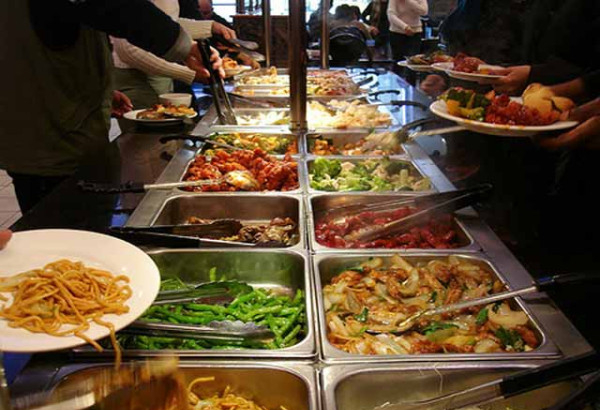
- Weddings, festivals and other celebrations often bring a variety of delicious foods, including fried snacks sweets and rich meals. While enjoying these foods is part of the celebration, eating too much can cause health problems for some people.
- Health experts advise people with heart disease high blood pressure or diabetes to be especially careful when eating large, heavy meals.
- However eating too much especially when meals are rich in salt and fat, may cause discomfort and can be a concern for people with existing health conditions.
Weddings, festivals and other celebrations often bring a variety of delicious foods, including fried snacks sweets and rich meals. While enjoying these foods is part of the celebration, eating too much can cause health problems for some people.
Health experts advise people with heart disease high blood pressure or diabetes to be especially careful when eating large, heavy meals.
How can heavy meals affect the heart?
After a large meal, the digestive system needs more blood to help process the food. This increases the body’s workload and may put extra strain on the heart.
Healthy people can usually manage these changes without difficulty. However people with narrowed heart arteries or existing heart conditions may face a greater risk of problems in certain situations.
Eating too much once does not automatically cause a heart attack. Heart attacks usually occur when blood flow to the heart is blocked, often because of a blood clot in a coronary artery.
However a heavy meal may trigger symptoms or add physical stress in some people who are already at risk.
How do fatty and salty foods affect heart health?
Regularly eating foods high in unhealthy fats, salt and refined carbohydrates can harm heart health over time.
Eating too much salt can cause the body to retain water and may increase blood pressure. This can be especially harmful for people with high blood pressure or heart failure.
Excessive alcohol consumption can also affect blood pressure and cause an irregular heartbeat.
Other factors such as staying hungry for a long time before eating a large meal, dehydration and doing strenuous exercise immediately after eating, may also cause discomfort or other problems in some people.
How to tell the difference between indigestion and a heart attack
After a heavy meal, some people experience heartburn, bloating nausea, or a feeling of fullness.
These symptoms are often linked to indigestion.
However, some heart attack symptoms can feel similar to indigestion. Therefore unusual discomfort in the chest or upper stomach should never be ignored.
Possible signs of a heart attack include.
•Pressure, tightness or pain in the chest
•Pain spreading to the arm, back or jaw
•Shortness of breath
•Cold sweats
•Dizziness or sudden weakness
Nausea or unusual discomfort in the upper stomach
Symptoms can vary from person to person and some people may not experience severe chest pain.
If you suspect a heart attack seek emergency medical help immediately. Do not assume the symptoms are caused by gas or wait for indigestion medicine to work. Avoid driving yourself to the hospital; contact emergency medical services instead.
Tips for eating safely during weddings and festivals
You do not need to avoid your favourite foods completely during celebrations. Instead, making sensible food choices can help protect your health.
Here are some useful tips
Eat smaller portions: Try a little of different dishes instead of eating large amounts at once.
•Eat slowly
Give your body time to recognise when you are full.
Avoid excessive salt and fat
Limit foods that contain too much salt, unhealthy fats, and refined carbohydrates.
Do not skip meals for too long: Avoid extreme hunger that may lead you to overeat later.
Stay hydrated
Drink water according to your needs and any medical advice you have received.
Avoid strenuous exercise after eating: If you feel comfortable a gentle walk may be suitable but avoid intense physical activity immediately after a heavy meal.
Follow your doctor’s advice
People with heart disease, diabetes, or high blood pressure should follow their prescribed diet and take their medicines as directed.
People with heart failure or other medical conditions may also need to follow specific limits on salt or fluids, depending on their doctor’s recommendations.
Final thoughts
Weddings and festivals are occasions to enjoy good food and spend time with loved ones. However eating too much especially when meals are rich in salt and fat, may cause discomfort and can be a concern for people with existing health conditions.
We welcome your contributions! Submit your blogs, opinion pieces, press releases, news story pitches, and news features to opinion@minutemirror.com.pk and minutemirrormail@gmail.com