Summary
- PANAMA CITY: Growing concerns over a potentially severe El Niño have prompted the Panama Canal Authority to restrict the number of vessels allowed to transit the vital waterway, raising fresh fears of delays and higher costs for global trade.
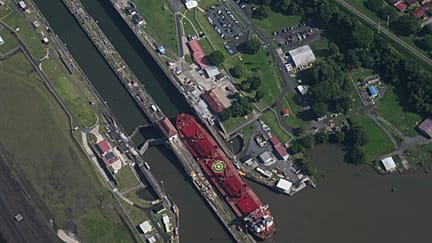
- The Panama Canal is one of the world’s most important shipping shortcuts, connecting the Atlantic and Pacific oceans and handling roughly 5 per cent of global maritime trade.
- For shipping companies and global businesses, the concern is simple: if rainfall continues to fall and Gatun Lake levels decline sharply, fewer ships may be able to cross the canal, potentially turning a climate warning into another major supply-chain challenge.
PANAMA CITY: Growing concerns over a potentially severe El Niño have prompted the Panama Canal Authority to restrict the number of vessels allowed to transit the vital waterway, raising fresh fears of delays and higher costs for global trade.
From September 4, a maximum of 34 ships a day will be permitted to pass through the canal, while the limit will be reduced further to 32 vessels daily from September 15, according to the latest announcement by the Panama Canal Authority.
The decision comes as Panama faces the prospect of prolonged dry conditions and falling water levels. Rainfall between May and August has reportedly been significantly below average, while inflows into the canal’s watershed have also weakened, increasing pressure on the freshwater resources needed to keep the waterway operating.
The Panama Canal is one of the world’s most important shipping shortcuts, connecting the Atlantic and Pacific oceans and handling roughly 5 per cent of global maritime trade. Any sustained reduction in its capacity could therefore ripple through international supply chains, particularly for companies transporting energy products, agricultural commodities, manufactured goods and other bulk cargo.
The canal’s operation depends heavily on freshwater reservoirs, particularly Gatun Lake, which supplies the water required to operate its lock system. The same water resources are also important for Panama’s population, creating a difficult balance between maintaining international shipping and protecting supplies for local communities. The canal authority says more than half of Panama’s population depends on water resources connected to the canal system.
The threat is particularly concerning because Panama experienced a severe drought during the 2023-24 El Niño period. At the height of that crisis, daily vessel transits were reduced from the normal range of about 36-38 ships to as few as 22, while restrictions on vessel draft forced some ships to carry substantially lighter loads.
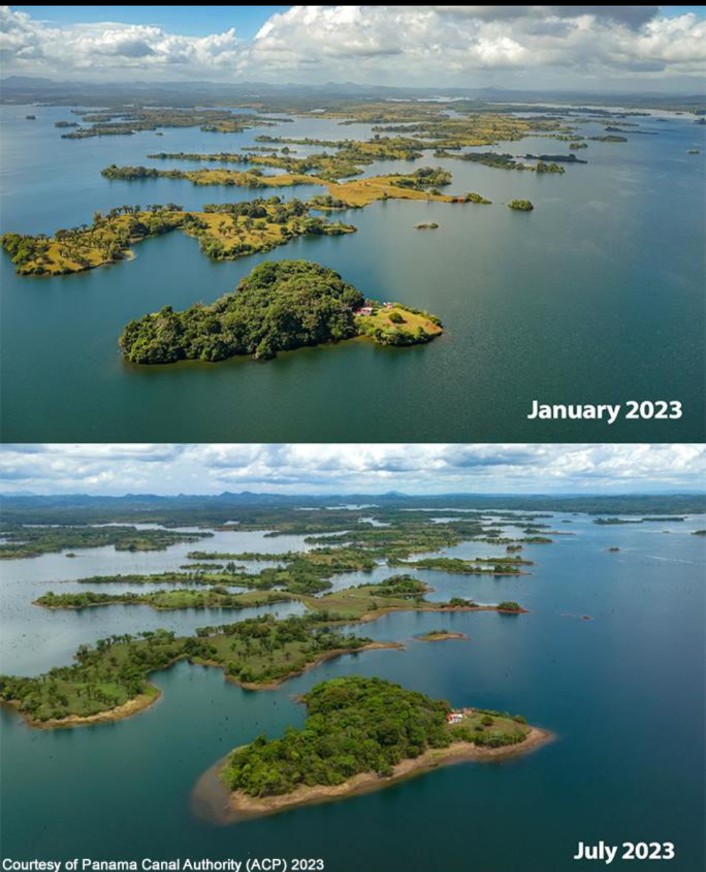
That episode disrupted shipping schedules, increased waiting times and pushed transportation costs higher. Industry analysts have warned that another prolonged period of water stress could again put pressure on global freight networks.
The latest restrictions are being introduced as a preventive measure, rather than a repeat of the extreme limitations imposed during the previous drought. The authority has been monitoring El Niño conditions and implementing water-saving measures in preparation for possible shortages.
For shipping companies and global businesses, the concern is simple: if rainfall continues to fall and Gatun Lake levels decline sharply, fewer ships may be able to cross the canal, potentially turning a climate warning into another major supply-chain challenge.
We welcome your contributions! Submit your blogs, opinion pieces, press releases, news story pitches, and news features to opinion@minutemirror.com.pk and minutemirrormail@gmail.com