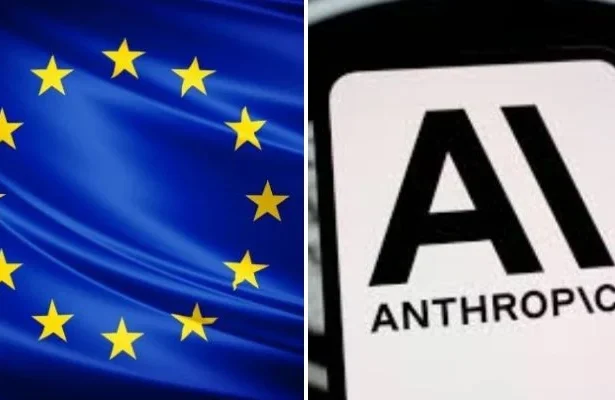
Summary
- The European Commission is assessing the real-world implications of a recent decision involving US-based AI company Anthropic, particularly its potential impact on EU digital regulations and artificial intelligence policy enforcement.
- EU officials said they are closely monitoring whether such restrictions could disrupt fair access to technology or create unequal treatment for international partners.
- European Commission spokesperson Thomas Regnier said emerging AI models offer significant benefits, including in cybersecurity, but also raise serious risks that require careful oversight.
The European Commission is assessing the real-world implications of a recent decision involving US-based AI company Anthropic, particularly its potential impact on EU digital regulations and artificial intelligence policy enforcement.
A Commission spokesperson said on Sunday that the evaluation is focused on practical consequences rather than just legal or technical aspects of the decision. Officials are examining how it may affect AI operations, regulatory consistency, and possible gaps in existing EU technology frameworks.
The review comes after Anthropic announced it would temporarily disable access to its most advanced AI models for users outside the United States, following a US government directive linked to national security concerns.
EU officials said they are closely monitoring whether such restrictions could disrupt fair access to technology or create unequal treatment for international partners.
European Commission spokesperson Thomas Regnier said emerging AI models offer significant benefits, including in cybersecurity, but also raise serious risks that require careful oversight.
He stressed that any emergency or contingency measures should not discriminate against global partners and should remain consistent with fair regulatory principles.
The Commission also highlighted that the development reflects the growing importance of technological sovereignty, as Europe seeks to reduce dependency on external AI systems and strengthen its own digital infrastructure.
Officials confirmed that the situation is still under review, and no decision has been taken yet on whether new policy measures or guidelines will be introduced.
The case is being seen as part of a broader global debate over AI governance, export controls, and cross-border access to advanced technologies, especially as governments tighten rules around powerful AI systems.
EU regulators are expected to continue monitoring the situation closely as discussions over AI safety, security, and competitiveness intensify worldwide
We welcome your contributions! Submit your blogs, opinion pieces, press releases, news story pitches, and news features to [email protected] and [email protected]