Summary
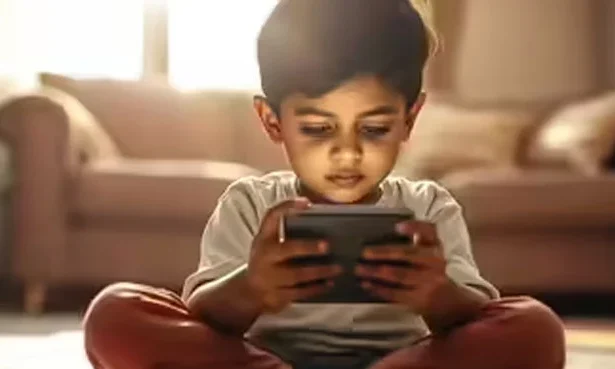
- The European Union is moving closer to introducing new restrictions on children’s use of social media as policymakers step up efforts to improve online safety for young users.
- European Commission President Ursula von der Leyen has previously expressed support for stronger protections for children online and is expected to outline the commission’s plans in September.
- A recent survey conducted across several European countries found that many people want online platforms to remove features they believe encourage unhealthy behaviour among children.
The European Union is moving closer to introducing new restrictions on children’s use of social media as policymakers step up efforts to improve online safety for young users. An expert panel is expected to present its recommendations next week, with the findings likely to shape new rules that could be announced later this year.
The debate has gained momentum after Australia became the first country to ban children under the age of 16 from using social media platforms. Inspired by that move, several European countries including Denmark and Greece have urged the European Union to adopt similar measures. While no final decision has been made, European officials say every option remains under consideration.
The European Commission has stressed that it will wait for the expert panel’s report before deciding on the next steps. The recommendations are due on July 13 and are expected to guide future legislation. European Commission President Ursula von der Leyen has previously expressed support for stronger protections for children online and is expected to outline the commission’s plans in September.
Speaking recently, von der Leyen said the real concern is not when children should be allowed to access social media but when social media companies should be allowed to reach children. Her remarks reflect growing concern across Europe about the influence of online platforms on young people.
Several member states have already started preparing their own laws to limit children’s access to social media. France is among the countries pursuing national legislation, although the European Commission has asked Paris to revise its proposal because some parts overlap with the European Union’s authority to regulate digital services across the bloc.
European officials have made it clear that the goal extends beyond restricting access to social media. They also want stronger protections for children across digital platforms. Consumer Protection Commissioner Michael McGrath said future rules should address the way online services are designed and how those designs affect young users every day.
Rather than introducing a complete ban, the expert panel is expected to recommend a more targeted approach. One possibility is setting a minimum age of 13, which already exists on many platforms. Another option is limiting access to specific features that experts believe encourage excessive use or expose children to harmful content.
The European Commission is also closely examining Australia’s experience since introducing its ban. Officials are considering whether a risk based system would be more effective than banning entire platforms. Under such an approach, services such as endless scrolling, personalised content feeds or other addictive features could face tighter regulation instead of blocking access to platforms altogether.
Public support for stronger rules appears to be growing. A recent survey conducted across several European countries found that many people want online platforms to remove features they believe encourage unhealthy behaviour among children. A large majority of those surveyed also said companies should prove their services are safe before allowing young users to access them.
Digital rights organisations have argued that outright bans may not be the best solution. They believe existing European laws already provide strong legal tools to protect children if they are enforced properly. These groups have called on regulators to focus on making online platforms safer rather than excluding children completely.
The European Union is already investigating several major technology companies under its digital rules. Officials are expected to publish findings later this year from an inquiry into whether Facebook and Instagram have design features that contribute to addictive behaviour among children. The outcome of those investigations, together with the upcoming expert recommendations, could shape a major overhaul of online child safety rules across Europe.
We welcome your contributions! Submit your blogs, opinion pieces, press releases, news story pitches, and news features to opinion@minutemirror.com.pk and minutemirrormail@gmail.com