Summary
- The FBI is treating the 2026 World Cup as one of the most complex security operations in its history, with Director Kash Patel describing it as “probably the biggest lift in FBI history, in American history.” With 48 teams, 36 base camps, 11 stadiums and an expected 3 million visitors — including heads of state — the tournament presents a daunting challenge.
- Patel, who became FBI director in February 2025, said the agency has been preparing since his first week in office, recognizing that major sporting events are prime targets for terrorism, espionage, and disruptive incidents ranging from drones to organized crime.
- The FBI is the lead domestic intelligence agency for the World Cup, which the U.S.
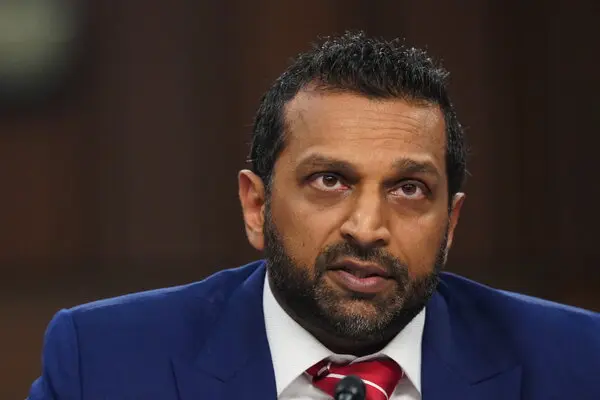
The FBI is treating the 2026 World Cup as one of the most complex security operations in its history, with Director Kash Patel describing it as “probably the biggest lift in FBI history, in American history.”
With 48 teams, 36 base camps, 11 stadiums and an expected 3 million visitors — including heads of state — the tournament presents a daunting challenge. Patel, who became FBI director in February 2025, said the agency has been preparing since his first week in office, recognizing that major sporting events are prime targets for terrorism, espionage, and disruptive incidents ranging from drones to organized crime.
The FBI is the lead domestic intelligence agency for the World Cup, which the U.S. is co‑hosting with Canada and Mexico. It is responsible for conducting 300,000 background checks on players, coaches, and staff, while state and local law enforcement will handle venue security and counter‑drone measures. Patel emphasized that drones are among the most pressing threats, noting their affordability and ease of use for adversaries. To counter this, the FBI launched a training program in October 2025, graduating 70 local police officers in host cities.
International cooperation is also central to the plan. The FBI has established a joint operations center with police from 46 of the 48 participating countries — excluding Iran and Haiti — to share real‑time intelligence. Patel said the model was inspired by the joint center set up in Milan during the 2026 Winter Olympics, where U.S. officials worked closely with Italian police.
Patel’s leadership has not been without controversy. His trip to Milan drew criticism after reports of excessive drinking and celebratory antics with the U.S. hockey team, though Patel has denied the allegations and is suing The Atlantic for what he calls false reporting. He insists the experience was vital preparation for the World Cup, saying, “We learned a ton from Milan.”
Despite speculation about his future, Patel remains focused on the task at hand. The FBI, alongside the Department of Homeland Security, is coordinating with local and foreign partners to secure what is expected to be the largest sporting event ever held in North America.
We welcome your contributions! Submit your blogs, opinion pieces, press releases, news story pitches, and news features to [email protected] and [email protected]