Summary
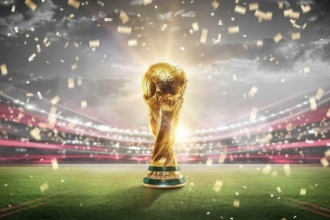
- The FIFA World Cup 2026 is driving a major transformation in global fashion, where football is no longer just a sport but a cultural and style movement.
- From luxury brands to streetwear and celebrity influence, football fashion is now a global ecosystem.
- Experts say the World Cup 2026 has turned football fashion into a year-round global industry rather than a seasonal trend, reshaping how fans and consumers engage with the sport.
The FIFA World Cup 2026 is driving a major transformation in global fashion, where football is no longer just a sport but a cultural and style movement.
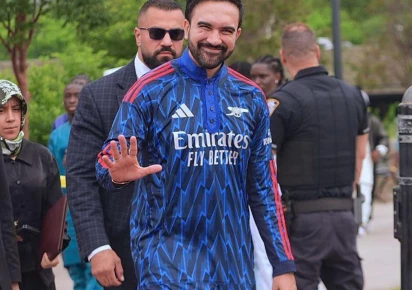
Fashion trends are now increasingly shaped by football aesthetics. Jerseys, once limited to stadium wear, have become everyday fashion statements seen on streets, social media, and in luxury collaborations.
Major sportswear brands like Nike are leading this shift. The company’s upcoming World Cup kits for teams such as Brazil, France, and Nigeria combine performance technology with modern design aimed at both athletes and fashion consumers.
Luxury fashion houses are also entering the football space. Loewe has partnered with the Spanish national team, blending craftsmanship with sports identity. Meanwhile, Boggi Milano has become FIFA’s formal wear partner, bringing tailored elegance into football’s official image.
Collaborations between designers and sports brands are further redefining football style. The Jacquemus x Nike partnership for France introduces a minimalist, runway-inspired approach to football apparel and footwear.
Football fashion is also becoming widely accessible. Global retailers such as Gap and Urban Outfitters are launching World Cup-themed collections featuring casual wear inspired by the sport, including oversized shirts, caps, and street-style outfits.
Streetwear labels are playing a major role in this evolution. Brands like Kith in collaboration with Adidas are turning football-inspired designs into collectible fashion pieces, often linked with global football stars such as Lionel Messi.
Football culture is also being shaped by athletes who have become global style icons. Players like Vinícius Júnior are now central figures in how football fashion is marketed and consumed worldwide.
Beyond sports and fashion brands, celebrities and digital creators are influencing football aesthetics. Musicians and influencers are increasingly aligning with clubs and teams, further blending pop culture with football identity.
Designers from diverse cultural backgrounds are also contributing to this movement. Collaborations such as Puma with designer Priya Ahluwalia highlight how football fashion is being reinterpreted through global cultural narratives.
From luxury brands to streetwear and celebrity influence, football fashion is now a global ecosystem. It reflects a shift where sport, style, and digital culture are deeply interconnected.
Experts say the World Cup 2026 has turned football fashion into a year-round global industry rather than a seasonal trend, reshaping how fans and consumers engage with the sport.
We welcome your contributions! Submit your blogs, opinion pieces, press releases, news story pitches, and news features to [email protected] and [email protected]