Summary
- Recent voluntary recalls involving frozen nuggets and sausage products have drawn renewed attention to food safety and the measures companies take to protect consumers.
- While food recalls can be alarming for consumers, experts note that they are an important part of modern food safety systems.
- The latest recalls serve as a reminder that food safety is a shared responsibility involving manufacturers, retailers, regulators, and consumers.
Food recalls spotlight the growing importance of consumer safety
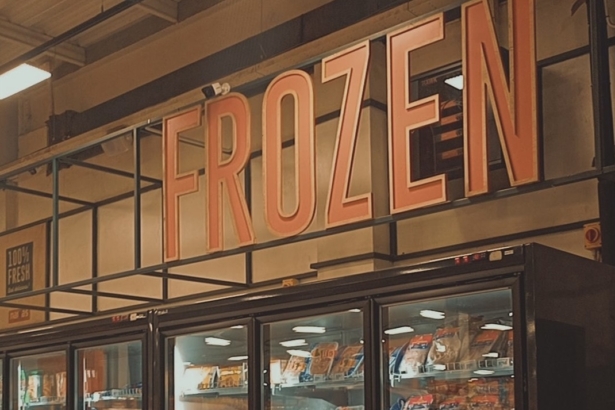
Recent voluntary recalls involving frozen nuggets and sausage products have drawn renewed attention to food safety and the measures companies take to protect consumers. The recalls were issued after concerns about potential plastic contamination in certain products, prompting retailers and manufacturers to act quickly to remove affected items from store shelves.
While food recalls can be alarming for consumers, experts note that they are an important part of modern food safety systems. Voluntary recalls are often initiated when a company identifies a potential issue that could affect product quality or consumer well-being. By removing products before widespread problems occur, manufacturers aim to reduce risks and maintain public trust.
Food contamination can occur at various stages of production, packaging, or distribution. In cases involving foreign materials such as plastic fragments, companies typically investigate manufacturing processes to determine how the issue occurred and what corrective measures are needed. These reviews can lead to improvements in equipment, packaging systems, and quality-control procedures.
Consumer safety remains a top priority for food producers and regulatory agencies. Food products pass through multiple inspections before reaching store shelves, but experts acknowledge that no system is completely immune to errors. As a result, ongoing monitoring and rapid response mechanisms play a crucial role in protecting public health.
The recent recalls have also highlighted the importance of consumer awareness. Shoppers are encouraged to pay attention to recall notices and check product information when safety alerts are issued. Most recall announcements include details such as product names, package sizes, batch numbers, and expiration dates to help consumers identify affected items.
In today’s digital environment, food recall information spreads more quickly than ever before. Retailers, manufacturers, and government agencies often use websites, social media platforms, and news outlets to communicate updates directly to the public. This improved access to information helps consumers make informed decisions and respond promptly when recalls occur.
Industry analysts say that transparency is becoming increasingly important in the food sector. Consumers want reassurance that companies are willing to acknowledge problems and take responsibility when issues arise. Swift action and clear communication can strengthen confidence in a brand even during challenging situations.
The latest recalls serve as a reminder that food safety is a shared responsibility involving manufacturers, retailers, regulators, and consumers. Although recalls can cause temporary concern, they also demonstrate that monitoring systems are working as intended to identify potential risks before they become larger problems.
As food production continues to evolve, maintaining rigorous quality standards and consumer trust will remain essential priorities across the industry.
We welcome your contributions! Submit your blogs, opinion pieces, press releases, news story pitches, and news features to opinion@minutemirror.com.pk and minutemirrormail@gmail.com