Summary
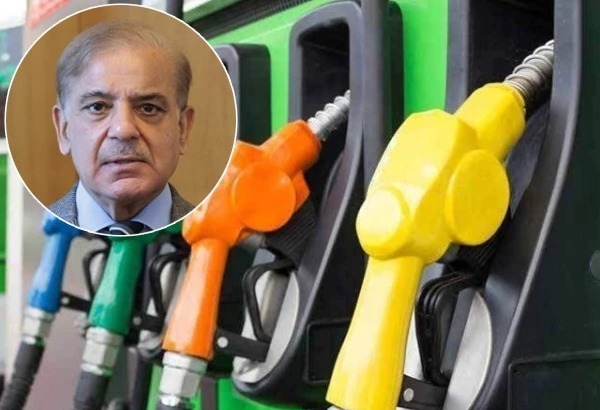
- The federal government has decided to end the fuel subsidy program across Pakistan following a decline in international fuel prices and approval from Prime Minister Shehbaz Sharif.
- With global fuel prices showing a downward trend, the government concluded that the continuation of the subsidy was no longer necessary.
- The decision marks a significant shift in Pakistan’s fuel pricing and subsidy strategy as authorities seek to manage economic resources more efficiently.
The federal government has decided to end the fuel subsidy program across Pakistan following a decline in international fuel prices and approval from Prime Minister Shehbaz Sharif. The decision was finalized during the seventh meeting of the National Steering Committee, chaired by Deputy Prime Minister and Foreign Minister Ishaq Dar.
The fuel subsidy program was originally introduced to provide financial relief to low-income groups and sectors heavily dependent on fuel. Beneficiaries included motorcycle owners, small-scale farmers, public transport operators, and goods transport services. The initiative was designed to reduce the impact of rising fuel prices on daily transportation costs and agricultural activities.
During the committee meeting, officials reviewed the effectiveness of the subsidy program and assessed the changing economic conditions. With global fuel prices showing a downward trend, the government concluded that the continuation of the subsidy was no longer necessary. As a result, all provinces, along with Gilgit-Baltistan and Azad Jammu and Kashmir, agreed to discontinue the subsidy scheme.
Government officials stated that the decision was made after careful consideration of current market conditions and fiscal priorities. The move is expected to reduce government expenditure while allowing authorities to redirect resources toward other public welfare and development initiatives.
The subsidy’s removal will affect various segments of society that previously benefited from reduced fuel costs. Motorcycle riders, who make up a significant portion of daily commuters, may experience higher transportation expenses. Similarly, small farmers who rely on fuel-powered machinery and transportation could face increased operational costs. Public and goods transport operators may also need to adjust their budgets in response to changing fuel expenses.
In addition to ending the subsidy program, Deputy Prime Minister Ishaq Dar directed relevant authorities to improve public service delivery systems. He emphasized the need to address weaknesses in data management and distribution mechanisms to ensure that future government support programs reach intended beneficiaries more effectively and transparently.
Economic analysts note that fuel subsidies can provide short-term relief but often place a significant burden on public finances. Governments frequently review such programs in response to changing economic conditions, global energy prices, and budgetary requirements. The latest decision reflects an effort to balance public support measures with fiscal sustainability.
The government is expected to continue monitoring fuel prices and economic indicators to determine whether additional policy adjustments are needed in the future. The decision marks a significant shift in Pakistan’s fuel pricing and subsidy strategy as authorities seek to manage economic resources more efficiently.
We welcome your contributions! Submit your blogs, opinion pieces, press releases, news story pitches, and news features to [email protected] and [email protected]