

Summary
- Apart from rains, the local growers started irrigating their lands using diesel engines installed inside very deeply dug tube wells.
- Later on, after the arrival of electricity in the area in the late eighties, the local growers switched from diesel engines to electricity-run motors.
- With the passage of time, the growers resorted to solar technology and installed solar panels instead of using electricity to extract water from the drilled wells.
By Dr Sanaullah Rustamani
In Sindh’s Dadu district, the Kachho area is located in the lap of the Khirthar range mountains. The hot temperature, heavy winds, and dust storms in summer are not uncommon in this area. Even during the British Empire period, British officers, in their correspondence with their higher-ups, complained of this rough weather. The area is basically arid and non-barrage, and hence mostly relies on rains for irrigation.
Apart from rains, the local growers started irrigating their lands using diesel engines installed inside very deeply dug tube wells. Initially, they had to manually dig wells more than 250 feet deep. The motors and water pumps were installed inside the wells. In case of any malfunction, one had to send a mechanic inside the well with the help of long ropes. Later on, after the arrival of electricity in the area in the late eighties, the local growers switched from diesel engines to electricity-run motors.
During the past decade, submersible technology further revolutionized the irrigation system. Instead of manually digging deep wells, one has to drill a seven- to eight-foot diameter bore and directly insert the pipes, installing the motor and water pump inside the pipe without digging any well.
With the passage of time, the growers resorted to solar technology and installed solar panels instead of using electricity to extract water from the drilled wells. The area, being arid in nature, is very dry and receives less rainfall. Keeping in view the area’s conditions, the district administration imposed ban on cutting trees such as Kandi, Khabbar/Jaal, and other indigenous trees. But despite the ban, deforestation goes unabated, allegedly with the connivance of the local police.
The native people, now residing in other big cities and serving in various departments, have taken notice of the deforestation and initiated a campaign under “Green Kachho” to save the trees and plant hundreds of thousands of indigenous varieties, including mostly fruit-bearing trees such as lemon, date palm, guava, mangoes, and grafted Beri, apart from Neem, Sareenh, Babul, and other species of non-fruit-bearing trees.
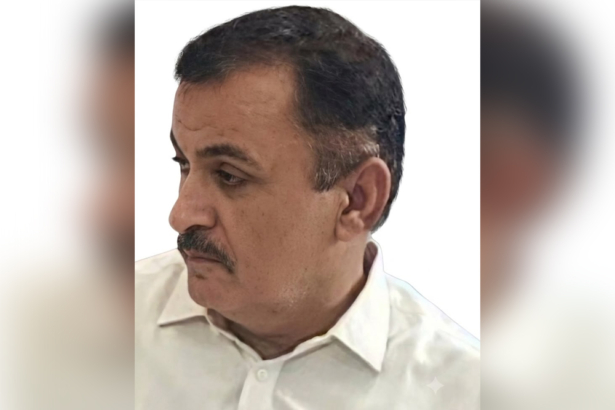
This initiative is primarily led by Dr. Hafeez Babbar, who serves as the Director of the Soil Fertility Research Institute ,SFRI, at Sindh Agriculture University, Tando Jam. He earned his PhD from Malaysia. He is supported by a team of professionals and social activists, including Dr. Hameed Soomro, former Director of the Health Department; Sharif Thaheem, former Director of the Population Welfare Department; Dr. Juman Bahoto, former Director General of Health Services, Sindh; Dr. Anila Soomro, currently serving as Pro Vice Chancellor of the Dadu Campus of Sindh University; Dr. Sanaullah; Dr. Aziz Rustamani, Veterinary Officer; Advocate Yaqoob Rustamani; and NGO activists including Akbar Lashari, Wafa Brahmani, and many other like-minded individuals.
The area experiences severe cold during winter, causing negative impacts on crops and vegetables, including green chillies, tomatoes, onions, and other crops. During the past couple of years, climate change has negatively impacted local agriculture, leading to very low yields and, at times, burning of vegetables due to extreme cold. Moreover, the supply of unreliable seeds, pesticides, and sprays is another challenge for the growers. The local Agriculture Department hardly pays any attention to checking the menace of the supply of unreliable and unregistered seeds and related pesticides. The local land is very fertile in nature and is devoid of salinity, seepage, and waterlogging.
With the support of friends and technical and relevant assistance from some donors, the Kachho Green team is determined to very soon start a plantation campaign in the Kachho area of Dadu district, and is optimistic that their sincere efforts will bring a positive change in the area. Dr. Babbar, in this context, further said that they might think about carbon credits after the success of their initiatives.
Local people are quite sanguine that their efforts will bring a positive impact on climate change. The free distribution of trees is considered a welcome gesture and a good omen for Green Kachho. They believe that this collective movement will not only restore the region’s ecological balance but also lay the foundation for a greener and more sustainable future for generations to come.









زبردست ڊاڪٽر ثناء ﷲ رستماڻي صاحب