Summary
- Trump has frequently criticised European allies for failing to spend enough on defence and has urged Nato members to increase military investment.
- Nato Secretary General Mark Rutte welcomed the recent rise in defence budgets, saying European members and Canada are expected to spend more than 90 billion dollars extra on defence in 2025 compared with the previous year.
- Nato leaders are also preparing to discuss a broader goal of raising defence related spending to five percent of GDP in the coming years as part of efforts to strengthen the alliance against future threats.
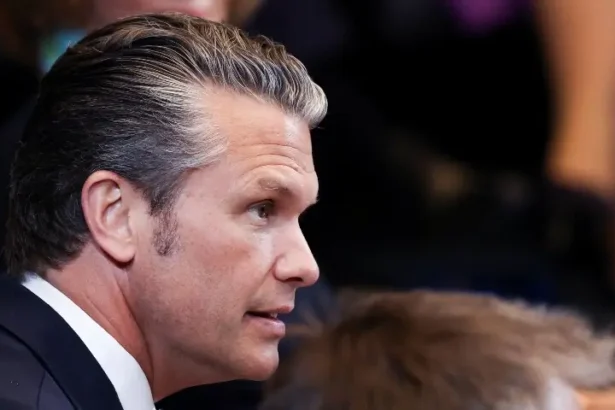
US Defence Secretary Pete Hegseth praised Nato members on Thursday for making significant progress in increasing defence spending but stressed that several countries still need to contribute more. Speaking before a meeting of Nato defence ministers in Brussels, Hegseth said many allies had honoured their commitments, while others were expected to step up their efforts. He added that Washington would continue to speak openly with its partners about meeting defence targets, saying honest discussions between allies were necessary to strengthen the alliance.
His remarks come just weeks before Nato leaders gather for a major summit with US President Donald Trump. European governments are hoping to demonstrate that they are taking greater responsibility for their own security after repeated calls from Washington for fairer burden sharing within the alliance. Trump has frequently criticised European allies for failing to spend enough on defence and has urged Nato members to increase military investment.
Nato Secretary General Mark Rutte welcomed the recent rise in defence budgets, saying European members and Canada are expected to spend more than 90 billion dollars extra on defence in 2025 compared with the previous year. According to him, the increase represents nearly a 20 percent rise in military spending and reflects growing awareness among member states of the security challenges facing the alliance.
Despite the encouraging figures, Nato officials acknowledged that not every country is on track to meet existing targets. Three European nations, including Slovenia and the Czech Republic, are expected to remain below the alliance’s benchmark of spending two percent of their gross domestic product on defence this year. Nato leaders are also preparing to discuss a broader goal of raising defence related spending to five percent of GDP in the coming years as part of efforts to strengthen the alliance against future threats.
The meeting also focused on the changing role of the United States within Nato. Washington has made it clear that European allies should gradually assume greater responsibility for conventional defence while the US shifts more of its strategic attention toward the Indo Pacific region and growing competition with China. As part of that plan, the Pentagon has started reducing some military assets assigned to Nato operations around the world.
Reports from US and German media suggest the planned reductions include fewer fighter aircraft available for Nato missions, along with cuts to refuelling planes, reconnaissance aircraft, bombers, drones and naval assets. The changes have raised concerns among European governments that the alliance could face temporary capability gaps while members work to strengthen their own armed forces.
German Defence Minister Boris Pistorius said Europe would eventually be able to compensate for many of the reduced US capabilities but warned that the transition would take time. He said withdrawing important military resources too quickly without suitable replacements could create security risks for Nato’s European members. Mark Rutte also acknowledged the US decision but insisted that Washington remained fully committed to defending the alliance if any member came under attack.
Alongside discussions on Nato’s future, defence ministers also reviewed continued support for Ukraine in its war with Russia. Ukrainian President Volodymyr Zelensky was scheduled to attend a meeting with Kyiv’s military supporters before joining European Union leaders later in the day. Ukraine hopes recent diplomatic progress, including Zelensky’s meeting with President Trump during the G7 summit, will encourage allies to provide additional military and financial assistance as the conflict with Russia continues.
We welcome your contributions! Submit your blogs, opinion pieces, press releases, news story pitches, and news features to [email protected] and [email protected]