Summary
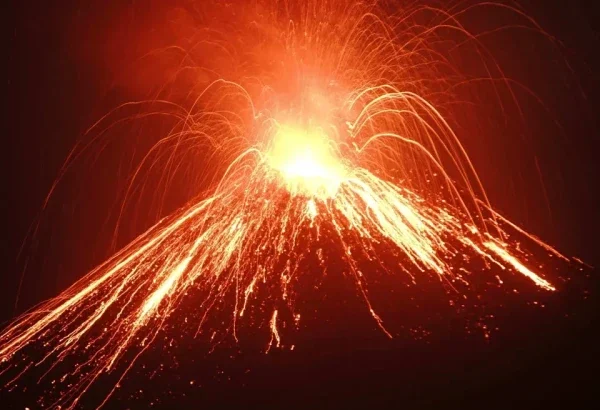
- JAKARTA: A volcanic eruption in Indonesia has disrupted air travel and daily life after ash from Anak Krakatau spread across parts of Java and Sumatra, forcing authorities to temporarily suspend flights and cancel some educational activities.
- At Jakarta’s Soekarno-Hatta International Airport, volcanic ash reached the area, prompting authorities to temporarily halt flights.
- For passengers caught in the disruption, the eruption turned an ordinary travel day into a scramble for information, while authorities continued monitoring the ash cloud and volcanic activity.
JAKARTA: A volcanic eruption in Indonesia has disrupted air travel and daily life after ash from Anak Krakatau spread across parts of Java and Sumatra, forcing authorities to temporarily suspend flights and cancel some educational activities.
The eruption sent clouds of volcanic ash thousands of metres into the atmosphere, creating problems for aviation and raising concerns among residents in areas affected by the drifting ash.
At Jakarta’s Soekarno-Hatta International Airport, volcanic ash reached the area, prompting authorities to temporarily halt flights. Officials said 209 flights were affected, disrupting travel plans for approximately 22,798 passengers.
The disruption came as airlines and airport authorities closely monitored conditions because volcanic ash can pose serious risks to aircraft engines and reduce visibility, making flying more difficult and potentially dangerous.
The impact was also felt beyond airports. Some schools cancelled educational activities as a precaution, while residents in ash-affected areas reported eye irritation.
Authorities urged people living in affected areas to take basic precautions, including wearing masks and protecting their eyes when going outdoors. Residents were also advised to avoid unnecessary outdoor activities while ash remained in the air.
Despite the disruption, authorities said there was no immediate tsunami threat at present.
Anak Krakatau is located in the Sunda Strait, between the Indonesian islands of Java and Sumatra. The volcano is particularly well known because its activity in 2018 was linked to a devastating tsunami that struck coastal communities around the strait.
The latest eruption has once again drawn attention to Indonesia’s exposure to volcanic hazards. The country sits along the Pacific “Ring of Fire” and is home to numerous active volcanoes.
For passengers caught in the disruption, the eruption turned an ordinary travel day into a scramble for information, while authorities continued monitoring the ash cloud and volcanic activity.
Officials are expected to keep assessing weather and volcanic conditions before normal flight and educational activities can fully resume.
We welcome your contributions! Submit your blogs, opinion pieces, press releases, news story pitches, and news features to opinion@minutemirror.com.pk and minutemirrormail@gmail.com