Summary
- Iran has said that the escalating conflict in Lebanon between Israel and Hezbollah will be the central focus of upcoming talks with the United States in Switzerland, alongside long-standing disputes over frozen Iranian assets and oil export restrictions.
- “The Zionist regime continues to violate its commitments in Lebanon; this issue will be the main topic of discussion in today’s talks,” the spokesperson said, referring to Israel’s military actions and ongoing cross-border hostilities with Hezbollah.
- Alongside the Lebanon crisis, Iran confirmed that the status of its frozen or restricted financial assets will also be a key point of negotiation.
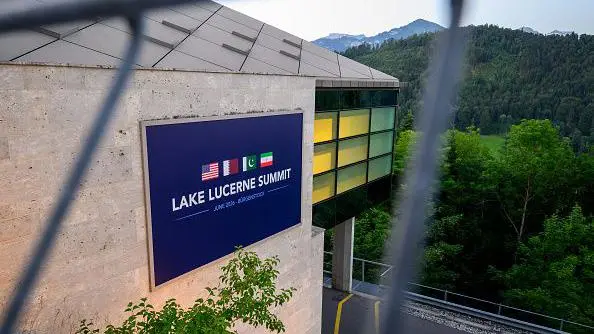
Iran has said that the escalating conflict in Lebanon between Israel and Hezbollah will be the central focus of upcoming talks with the United States in Switzerland, alongside long-standing disputes over frozen Iranian assets and oil export restrictions.
According to Iran’s state news agency IRNA, cited by AFP, a spokesperson for Iran’s Foreign Ministry stated that developments in Lebanon will dominate discussions, as regional tensions continue to intensify.
“The Zionist regime continues to violate its commitments in Lebanon; this issue will be the main topic of discussion in today’s talks,” the spokesperson said, referring to Israel’s military actions and ongoing cross-border hostilities with Hezbollah.
The statement suggests that Tehran intends to place regional security concerns at the forefront of its diplomatic engagement, at a time when fears of broader escalation in the Middle East remain high.
Alongside the Lebanon crisis, Iran confirmed that the status of its frozen or restricted financial assets will also be a key point of negotiation. Billions of dollars in Iranian funds remain blocked in foreign banks due to international sanctions, a long-running dispute between Tehran and Washington that has repeatedly complicated diplomatic efforts.
Another major issue expected to be discussed is Iran’s oil exports. The spokesperson said the talks would address “issuing the necessary licenses for the sale of Iranian oil,” highlighting Tehran’s push to expand or restore access to global energy markets despite ongoing sanctions pressure.
The upcoming meeting in Switzerland is being closely watched by international observers, as it comes amid heightened regional instability and fragile diplomatic channels between Tehran and Washington.
While neither side has confirmed the likelihood of a breakthrough, analysts say the inclusion of both regional conflict and economic sanctions on the agenda reflects the interconnected nature of security and economic tensions in the region.
The Lebanon conflict, involving near-daily exchanges between Israeli forces and Hezbollah across the southern border, has raised concerns about a wider regional war. Iran, a key supporter of Hezbollah, has repeatedly condemned Israeli military operations and called for international pressure to halt what it describes as violations of Lebanese sovereignty.
At the same time, economic issues remain a central sticking point in US-Iran relations. Sanctions relief, access to frozen funds, and oil trade permissions have been at the heart of stalled negotiations for years.
Diplomats on both sides are expected to approach the Swiss talks cautiously, with observers noting that while dialogue continues, deep mistrust and regional volatility make any immediate agreement unlikely.
Still, the fact that both security and economic matters are being discussed signals ongoing attempts to keep communication channels open amid rising tensions across the Middle East.
We welcome your contributions! Submit your blogs, opinion pieces, press releases, news story pitches, and news features to [email protected] and [email protected]