Summary
- Technical-level talks between the United States and Iran are set to begin in Switzerland, aiming to advance implementation of the Pakistan-brokered Islamabad Memorandum of Understanding.
- The United States, meanwhile, is pushing for measurable progress on Iran’s nuclear programme and a ceasefire framework related to Lebanon, which Washington considers central to regional stability efforts.
- Washington has said it hopes the talks will advance both nuclear restrictions and de-escalation efforts in Lebanon.
Technical-level talks between the United States and Iran are set to begin in Switzerland, aiming to advance implementation of the Pakistan-brokered Islamabad Memorandum of Understanding.
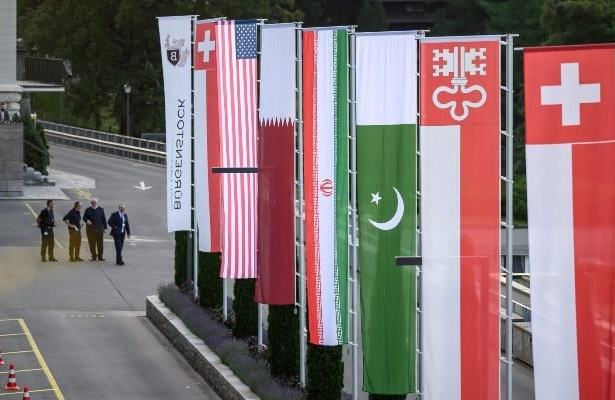
The discussions in Burgenstock mark the first formal engagement since the agreement was signed on June 17. According to Pakistan’s Foreign Office, the meeting is focused on sustaining dialogue and ensuring progress on commitments made under the interim understanding.
Iran is expected to press Washington for the implementation of its obligations under the deal. Tehran is also seeking clarity on how the US intends to move forward with agreed measures, while warning that delays could jeopardise the broader understanding.
The United States, meanwhile, is pushing for measurable progress on Iran’s nuclear programme and a ceasefire framework related to Lebanon, which Washington considers central to regional stability efforts.
Iran’s delegation is led by Parliament Speaker Mohammad Bagher Ghalibaf and includes Foreign Minister Abbas Araghchi along with senior officials from security, energy and financial institutions. Iranian officials have indicated they will closely monitor US compliance with the agreement’s commitments.
The US delegation is headed by Vice President JD Vance, accompanied by special envoy Steve Witkoff and Jared Kushner. Washington has said it hopes the talks will advance both nuclear restrictions and de-escalation efforts in Lebanon.
Pakistan and Qatar are also participating in the process in facilitative and supporting roles. Prime Minister Shehbaz Sharif and Chief of Army Staff Field Marshal Asim Munir are attending as Pakistan continues its diplomatic engagement linked to the Islamabad MoU. Qatar has also maintained involvement in supporting regional de-escalation efforts.
Officials note that the main challenge remains implementation, with both sides expressing concerns over compliance and enforcement of the interim agreement.
The talks come amid broader regional tensions, including concerns over maritime security in the Strait of Hormuz and continued instability linked to the situation in Lebanon.
We welcome your contributions! Submit your blogs, opinion pieces, press releases, news story pitches, and news features to [email protected] and [email protected]