Summary
- The spokesperson also accused Israel of continuing military operations in Lebanon despite diplomatic efforts aimed at reducing tensions.
- Despite the warning, Iranian officials described current negotiations as constructive and confirmed that discussions on sanctions relief and nuclear-related issues would continue through specialized working groups.
- According to Iranian negotiators, several working groups will now be established to address sanctions, nuclear-related matters, economic reconstruction, and monitoring of agreed commitments, as diplomatic efforts continue to seek a broader and more durable agreement between Tehran and Washington.
TEHRAN/GENEVA: Iran has claimed it possesses “conclusive evidence” that certain regional countries were involved in the recent US-Israeli military campaign against Tehran, warning that those found responsible could face legal consequences.
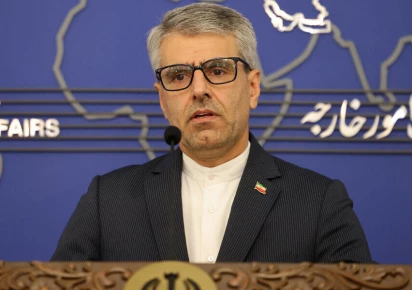
Iranian Foreign Ministry spokesperson Esmaeil Baghaei said Tehran is reviewing the evidence and reserves the right to take necessary action. He also criticized several European governments for their stance during the conflict, arguing that their policies have weakened their diplomatic influence in the region.
Baghaei reiterated that Iran’s missile program was never part of negotiations with the United States and ruled out allowing inspectors from the International Atomic Energy Agency (IAEA) to visit nuclear facilities damaged during the conflict. He also denied reports suggesting meetings had taken place with IAEA Director General Rafael Grossi regarding inspections.
On the issue of frozen Iranian assets, Baghaei rejected suggestions that released funds would be restricted to specific purchases, insisting Iran would decide independently how to utilize its financial resources.
The spokesperson also accused Israel of continuing military operations in Lebanon despite diplomatic efforts aimed at reducing tensions. He said Washington bears responsibility for ensuring Israel adheres to commitments designed to prevent further escalation.
Meanwhile, Iran’s ambassador to the United Nations in Geneva warned that Tehran would respond if Israel launched new attacks on Lebanon or violated understandings reached through ongoing diplomatic efforts. Despite the warning, Iranian officials described current negotiations as constructive and confirmed that discussions on sanctions relief and nuclear-related issues would continue through specialized working groups.
Tensions remained high after reports that Israeli gunfire killed one person and injured two others in southern Lebanon, marking another incident despite a recently brokered ceasefire.
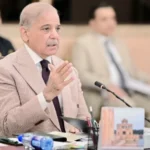
Iranian President Masoud Pezeshkian stressed that the success of negotiations depends on the full implementation of agreed commitments. He said statements made outside the official framework of the talks could undermine diplomatic progress and complicate efforts to reach a lasting settlement.
Separately, Iranian officials announced the conclusion of technical negotiations in Switzerland, where delegates discussed mechanisms for implementing the Islamabad Memorandum of Understanding. The talks reportedly focused on sanctions relief, economic cooperation, maritime security in the Strait of Hormuz, and arrangements for future rounds of negotiations.
According to Iranian negotiators, several working groups will now be established to address sanctions, nuclear-related matters, economic reconstruction, and monitoring of agreed commitments, as diplomatic efforts continue to seek a broader and more durable agreement between Tehran and Washington.
We welcome your contributions! Submit your blogs, opinion pieces, press releases, news story pitches, and news features to opinion@minutemirror.com.pk and minutemirrormail@gmail.com