Summary
- BEIRUT: Israel and Hezbollah have reportedly agreed to a ceasefire in Lebanon following intense fighting that left dozens dead and raised fears of a wider regional escalation, according to a US official.
- Israeli forces said they had struck more than 80 targets in southern Lebanon, including command centres and militant infrastructure, claiming that several Hezbollah fighters were killed in the operations.
- Prime Minister Benjamin Netanyahu said Israeli forces would remain deployed in southern Lebanon “as long as necessary” to ensure security.
BEIRUT: Israel and Hezbollah have reportedly agreed to a ceasefire in Lebanon following intense fighting that left dozens dead and raised fears of a wider regional escalation, according to a US official.
The ceasefire was said to take effect on Friday after renewed clashes between the two sides. The agreement was reportedly facilitated through diplomatic efforts involving the United States, Qatar, and indirect coordination with Iran.
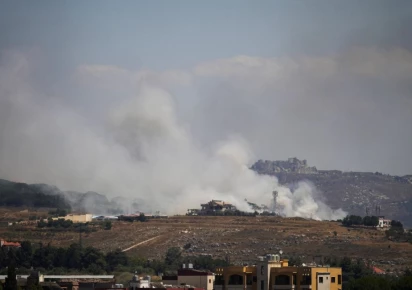
The development came after a wave of Israeli airstrikes across southern Lebanon that killed at least 31 people, according to the Lebanese health ministry. Israel, meanwhile, confirmed the deaths of four of its soldiers in the latest round of hostilities.
US officials said the truce followed hours of heavy cross-border exchanges, which had threatened to derail ongoing diplomatic efforts aimed at stabilizing the broader Middle East situation.
Israeli forces said they had struck more than 80 targets in southern Lebanon, including command centres and militant infrastructure, claiming that several Hezbollah fighters were killed in the operations. Hezbollah, in turn, said it had targeted Israeli troops with rockets and mortar fire in response.
The escalation marked one of the most serious flare-ups in months, coming amid fragile regional negotiations linked to wider efforts involving Iran and the United States.
Diplomatic efforts to hold US-Iran talks in Switzerland were reportedly disrupted due to the renewed violence in Lebanon, raising further uncertainty over regional peace initiatives.
Israeli leadership defended its military operations, stating that strikes would continue in response to what it described as repeated violations by Hezbollah. Prime Minister Benjamin Netanyahu said Israeli forces would remain deployed in southern Lebanon “as long as necessary” to ensure security.
Hardline voices within Israel also called for intensified military action, further highlighting internal pressure on the government amid ongoing conflict.
The situation has drawn international concern, with Washington expressing frustration over the escalation despite ongoing diplomatic engagement aimed at preventing a broader war.
We welcome your contributions! Submit your blogs, opinion pieces, press releases, news story pitches, and news features to [email protected] and [email protected]