


Summary
- Karachi is facing a worsening electricity crisis with residents in several neighbourhoods reporting power outages lasting between 16 and 18 hours or even longer adding to public frustration over unreliable electricity supplies.
- Residents in some areas have complained that electricity is available for only four to six hours during a 24-hour period.
- In Surjani Town some residents have alleged that they experienced a full 24-hour power outage before electricity was restored for just four hours.
According to reports, K-Electric has acknowledged that load-shedding is being carried out on 630 of its 2,121 feeders across the city. Residents in some areas have complained that electricity is available for only four to six hours during a 24-hour period.
The prolonged outages have disrupted daily life across Karachi affecting households, businesses, and other essential activities. Residents say they continue to face extended power cuts despite paying their electricity bills regularly.
Areas including Airport, Azizabad, Baldia, North Karachi and Surjani are reportedly experiencing power outages lasting up to 12 hours according to information attributed to K-Electric.
Meanwhile residents of Lines Area, Quaidabad, Keamari and Lyari have reported receiving electricity for only around six hours a day. In Surjani Town some residents have alleged that they experienced a full 24-hour power outage before electricity was restored for just four hours.
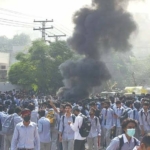
The situation has triggered protests in some neighbourhoods where residents have demanded a reliable electricity supply. Following demonstrations power was temporarily restored in certain locations, according to the report.
K-Electric has maintained that load-shedding is implemented in areas affected by electricity theft and non-payment of bills. However residents have called on the power utility to ensure a more consistent supply and address the difficulties caused by prolonged outages.
The growing crisis has renewed concerns about electricity distribution service reliability and the impact of extended load-shedding on Karachi’s population.
For residents already struggling with daily expenses and extreme dependence on electricity for household activities lengthy power cuts have become an additional burden. Citizens are urging the utility to improve supply arrangements and provide clearer information about outage schedules.
The reported situation highlights the continuing tension between the utility’s stated approach to managing electricity losses and consumers demands for dependable service across Pakistan’s largest city.