

Summary
- Food sources include oily fish egg yolks and foods fortified with vitamin D. Sunlight also helps the body produce this vitamin but the amount needed depends on several factors including skin type and location.
- Good food sources include carrots, pumpkin, broccoli, milk, cheese eggs and red or yellow bell peppers. Offering a variety of these foods can help children get enough vitamin A.
- Tips Vitamins and minerals such as vitamins A, D and K, iron and calcium support different parts of a child’s growth and development. A varied balanced diet can help meet most nutritional needs.
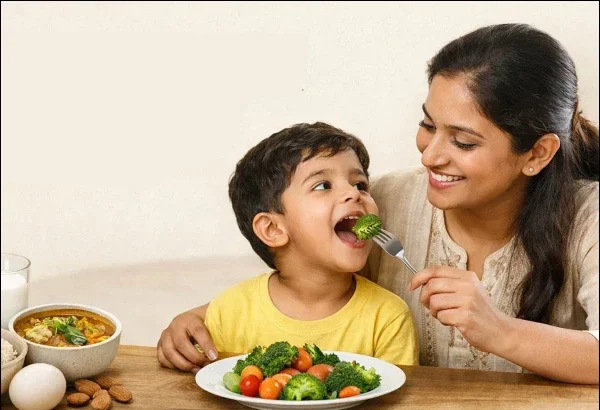
The first three years of life are important for a child’s physical growth and brain development. However many parents find it difficult to feed children at this age. Some toddlers refuse meals or eat only small amounts making it harder for them to get all the nutrients they need.
Children aged 1 to 3 need a balanced diet with a variety of foods. Offering three meals and two or three healthy snacks throughout the day may help meet their nutritional needs.
A lack of essential vitamins and minerals can affect normal growth and may weaken the body’s ability to fight infections.
Vitamin D for strong bones
Vitamin D helps the body absorb calcium and supports healthy bones and teeth. Severe deficiency can lead to bone problems and affect a child’s growth.
Food sources include oily fish egg yolks and foods fortified with vitamin D. Sunlight also helps the body produce this vitamin but the amount needed depends on several factors including skin type and location.
Ask a healthcare professional about safe sun exposure and whether your child needs a supplement.
Vitamin K for healthy blood clotting
Vitamin K plays an important role in blood clotting which helps stop bleeding after an injury. Broccoli, cabbage cauliflower and green leafy vegetables are useful sources. Some animal foods also provide vitamin K.
Vitamin A for immunity
Vitamin A supports healthy eyesight skin and the immune system. It is important for normal growth and development. Good food sources include carrots, pumpkin, broccoli, milk, cheese eggs and red or yellow bell peppers. Offering a variety of these foods can help children get enough vitamin A.
Iron to prevent anaemia
Iron helps the body make haemoglobin a protein in red blood cells that carries oxygen around the body. Low iron levels can lead to anaemia and may affect a child’s energy attention and development.
Possible signs of iron deficiency include tiredness, irritability, poor appetite and pale skin. However these symptoms can have other causes, so a doctor should assess the child if concerns arise.
Iron-rich foods include meat, chicken, fish, eggs, beans lentils and iron fortified cereals. Some green leafy vegetables also provide iron.
Calcium for strong bones and teeth
Calcium is essential for building strong bones and teeth during childhood. Milk yoghurt, cheese and calcium fortified foods are useful sources. Some green vegetables, beans and other foods also provide calcium.
Children who do not get enough calcium may have difficulty meeting their normal bone-growth needs. Leg pain or weakness should not automatically be assumed to be caused by calcium deficiency.
How can parents support healthy growth?
Parents can help toddlers develop healthy eating habits by following a few simple steps . Offer a variety of nutritious foods in small age appropriate portions.
Include fruits, vegetables whole grains protein rich foods and dairy or suitable alternatives. Offer regular meals and snacks without forcing children to eat.
Introduce new foods patiently as toddlers may need several tries before accepting them. Avoid giving vitamin or mineral supplements without advice from a healthcare professional.
Tips
Vitamins and minerals such as vitamins A, D and K, iron and calcium support different parts of a child’s growth and development. A varied balanced diet can help meet most nutritional needs. If your child regularly refuses food is not growing as expected or seems unusually tired, consult a paediatrician for guidance.
We welcome your contributions! Submit your blogs, opinion pieces, press releases, news story pitches, and news features to opinion@minutemirror.com.pk and minutemirrormail@gmail.com