Summary
- LAAM Fashion Week Season 2 continued in Lahore on Saturday, October 24, with its second day featuring a diverse mix of retail brands, high-street labels and established designers across three runway presentations.
- LFW Edit highlights contemporary fashion The second runway presentation brought established high-street and contemporary fashion labels into a Fashion Week setting, highlighting their distinctive design identities and creative approaches.
- The second day concluded with a programme spanning retail fashion, contemporary high-street collections and independent designer showcases.
LAAM Fashion Week Season 2 continued in Lahore on Saturday, October 24, with its second day featuring a diverse mix of retail brands, high-street labels and established designers across three runway presentations.
Co-created by LAAM and Design651, the fashion event aims to connect Pakistan’s fashion industry with digital commerce. Its runway-to-e-tail model brings together manufacturers, retail businesses and independent designers while offering audiences greater access to emerging and established fashion collections.
Day 2 opened with the LFW Retail Runway, featuring Khuda Baksh, Allure by Izna Hamza, Truba and ALLYS. The second presentation, LFW Edit, showcased Hathghar, Beygum Bano, Almirah and Collected XX. The day concluded with the Designer Showcase, featuring Parishae Adnan, DUNO by Hassan and Yahsir Waheed, Emraan Rajput and Jugnu Studios by Hussain Rehar.
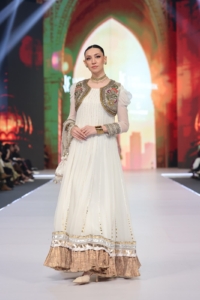


The event continued its digital-first approach, with livestreams available through the LAAM app and official website. ARY Plus also joined as the official OTT partner, extending access to audiences beyond the venue.
Haseens and Skynet powered the second edition, while ARY Digital Network served as the official media partner. SALT joined as the food partner, and the event was presented in association with Mercantile, an Apple authorised distributor.
Retail runway celebrates Pakistani craftsmanship
The opening presentation highlighted retail-ready fashion businesses and their ability to translate manufacturing expertise into distinctive consumer-facing collections.


Khuda Baksh presented Rohi, a collection inspired by the Cholistan desert and the cultural heritage of Bahawalpur and Bahawalnagar. The collection combined predominantly black designs with jewel tones, gold detailing, hand embroidery and traditional embellishments. Its silhouettes and protective motifs reflected the resilience, colour and identity of desert communities.
Allure by Izna Hamza showcased Heritage Reimagined, exploring the relationship between cultural memory and contemporary design. The collection combined traditional references with modern silhouettes, intricate craftsmanship and innovative construction. It presented heritage as an evolving influence that can be reinterpreted for modern fashion.
Truba brought a romantic take on South Asian occasion wear through voluminous lehengas, flowing anarkalis, shararas, ghararas and straight-cut kurtas. Its rich palette included wine, crimson, mustard, teal, sage green and champagne. Zardozi-inspired embroidery, floral motifs, metallic threadwork and embellished dupattas added detail to the collection.


ALLYS presented Diwani, a collection inspired by Pakistani wedding traditions, royal architecture and heirloom jewellery. Deep maroons, ruby reds, antique golds, ivory and champagne formed the central palette. Ornate embroidery, pearls, crystals and statement dupattas highlighted the collection’s emphasis on traditional craftsmanship and bridal elegance.
LFW Edit highlights contemporary fashion
The second runway presentation brought established high-street and contemporary fashion labels into a Fashion Week setting, highlighting their distinctive design identities and creative approaches.
Hathghar presented Khazana: A Tale of Craftsmanship, featuring sarees, kalidar kurtas, ghararas and churidaars. Handblock printing, handloom weaving, beads, tassels and handmade motifs gave the collection an artisanal character. The recurring bindi-inspired polka-dot motif added a distinctive visual element, while earthy colours reflected the influence of geography, culture and traditional craft.
Beygum Bano showcased Dynasty, Untamed, a collection exploring the contrast between imperial elegance and the untamed natural world. Deconstructed Shangai fabrics, animal patterns and botanical imagery created a visual dialogue between structure and freedom. The collection drew inspiration from a woman who combines inherited sophistication with an instinctive sense of individuality.
Almirah presented Takhayyul, inspired by imagination and the relationship between nature and creative expression. Earthy browns, forest greens, deep blues and muted neutrals defined the palette. Intricate embroidery, textured patchwork and abstract motifs complemented relaxed tunics, wide-leg trousers, oversized jackets and dramatic outerwear.
Collected XX brought The Shah Alam Archive to the runway, drawing inspiration from the colours, textures and everyday activity of South Asian bazaars. Referencing Lahore’s historic Shah Alam Market, the Fall/Winter collection combined utilitarian textiles and domestic influences with vintage materials and hand-embellished panels dating back more than three decades. The collection celebrated the meeting of everyday life, commerce, history and traditional craftsmanship.
Designer showcase closes Day 2
The final presentation featured four designers exploring women’s empowerment, traditional craftsmanship, contemporary menswear and unconventional creative expression.
Parishae Adnan presented Ikhtiaar, a collection centred on women’s agency, empowerment and freedom of self-expression. Black and charcoal grey dominated the designs, complemented by metallic embellishments, chains, oversized medallions and ornate jewellery. Sculpted waistcoats, voluminous trousers, dramatic gowns and sweeping skirts combined structured tailoring with fluid movement.
DUNO by Hassan and Yahsir Waheed explored how traditional Pakistani craftsmanship can be adapted for contemporary lifestyles. The brand reinterpreted traditional stitches, weaves and handcrafted details through modern silhouettes, including kurtas, co-ord sets and statement pieces. Reflecting its Yin-Yang philosophy, the collection brought together local and global influences, presenting heritage as a foundation for innovation.
Emraan Rajput showcased After Dark, a black-focused collection combining modern menswear, street style and classic tailoring. Korean-inspired and Renaissance jackets, long winter coats, formal suits and oversized silhouettes shaped the collection. Wool fabrics, layered proportions, sequins, stone embellishments and intricate threadwork added texture and contrast, creating a darker and more dramatic approach to winter dressing.
Jugnu Studios by Hussain Rehar closed the day with Rabbits with Flowers. The collection embraced unusual combinations, spontaneous ideas and playful contrasts. Rather than following a conventional design narrative, it encouraged curiosity and experimentation, reflecting the label’s distinctive creative identity.
The second day concluded with a programme spanning retail fashion, contemporary high-street collections and independent designer showcases. The presentations highlighted the diversity of Pakistan’s fashion industry, bringing traditional craftsmanship into conversation with modern design and evolving consumer trends.
LAAM Fashion Week Season 2 will continue until Monday, October 26, 2026.
For further information, visit the official website at https://laamfashionweek.com or follow the event on Instagram at https://www.instagram.com/laamfashionweek.
We welcome your contributions! Submit your blogs, opinion pieces, press releases, news story pitches, and news features to opinion@minutemirror.com.pk and minutemirrormail@gmail.com