Summary
- LAHORE: Lahore is heading into another smog season, with residents facing renewed health risks despite relatively better air quality figures recorded in September and October compared with previous years.
- Data from the Punjab Environmental Protection Agency (EPA) and IQAir show that Lahore’s average Air Quality Index (AQI) stood at 143 in September and 163 in October 2024.
- Omar also cautioned against attributing all improvements in air quality to government policies, noting that natural weather conditions had played a significant role in the previous year’s changes.
LAHORE: Lahore is heading into another smog season, with residents facing renewed health risks despite relatively better air quality figures recorded in September and October compared with previous years.
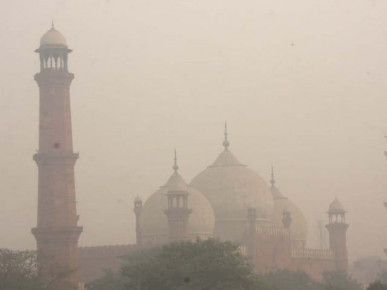
Persistent coughing, breathing difficulties, irritated eyes and hazy mornings remain common concerns as pollution levels fluctuate across the city. Experts warn that recent improvements do not necessarily indicate a lasting decline in air pollution, stressing that sustained action is needed to protect public health.
Data from the Punjab Environmental Protection Agency (EPA) and IQAir show that Lahore’s average Air Quality Index (AQI) stood at 143 in September and 163 in October 2024. In 2025, the averages were 89 and 182, respectively. This year, the average AQI fell to 99 in September and approximately 109 in October so far.
Experts have linked the relatively lower readings partly to favourable weather conditions and government initiatives. However, they caution that pollution could rise again as temperatures fall and atmospheric conditions become less favourable.
The warning appears increasingly relevant as Lahore experienced a fresh deterioration in air quality during the second half of October. Hourly Punjab EPA readings showed the city’s AQI fluctuating between 229 and 290 from October 17 to 21. The index reached 290 on October 21, while several monitoring stations continued to report elevated pollution on October 22.
Muhammad Aleemul Hassan, director of the Pakistan Meteorological Department’s Lahore office, said the period of severe winter cold had shortened from around 75 days to approximately 50 days. He also noted an increase in daytime and nighttime temperatures.
The department’s three-month forecast indicates near-normal rainfall and slightly above-average temperatures. These conditions could influence the severity and duration of smog in the coming months.
Hassan said a relatively favourable western weather system was expected towards the end of October and during the first week of November. It could bring cooler temperatures and potentially improve air quality. However, the extent of any improvement would depend on prevailing weather conditions and the movement of polluted air.
Abid Omar, founder of the Pakistan Air Quality Initiative, acknowledged that the Punjab government’s measures were moving in the right direction but emphasised the need for consistent implementation.
He said several initiatives had been launched with $30 million in funding from the World Bank. However, their impact would take time to become evident. Omar also cautioned against attributing all improvements in air quality to government policies, noting that natural weather conditions had played a significant role in the previous year’s changes.
The Punjab government has introduced multiple measures to reduce emissions, including promoting zigzag technology in brick kilns, inspecting industrial units, testing vehicle emissions and deploying anti-smog guns. Experts say these interventions must deliver measurable reductions in pollution to produce lasting results.
Research published in the Pakistan Journal of Science in June 2025 found that Lahore typically experiences elevated concentrations of fine particulate matter, known as PM2.5, from October to February. Low wind speeds, falling temperatures and temperature inversions can trap pollutants close to the ground. Rainfall, meanwhile, can temporarily clear some airborne particles.
Punjab Senior Minister Marriyum Aurangzeb has warned that Lahore could again become the world’s most polluted city, citing polluted air arriving from neighbouring countries as one of the contributing factors.
Experts, however, stress that domestic sources of pollution must receive equal attention. Vehicle exhaust, industrial emissions and brick kiln smoke continue to contribute to the city’s deteriorating air quality.
Despite the comparatively lower monthly averages recorded this year, specialists warn that Lahore’s air remains a serious public health concern. Fine particulate pollution can penetrate deep into the lungs, and prolonged exposure increases health risks even when overall AQI readings improve.
They argue that lasting progress will depend on sustained emission controls, effective enforcement and reliable air quality monitoring rather than temporary improvements driven by favourable weather.
We welcome your contributions! Submit your blogs, opinion pieces, press releases, news story pitches, and news features to opinion@minutemirror.com.pk and minutemirrormail@gmail.com