
Summary
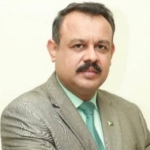
- LONDON / LAHORE: The office of the Archbishop of Canterbury has withdrawn the Hubert Walter Award for Reconciliation and Interfaith Cooperation presented to Pakistan Ulema Council Chairman Hafiz Muhammad Tahir Mehmood Ashrafi, following the resurfacing of comments attributed to him in 2007.
- Ashrafi received the award from Archbishop of Canterbury Dame Sarah Mullally during a ceremony at the Great Hall of Lambeth Palace on September 11, 2026.
- However, on September 17, Lambeth Palace announced that the award had been reconsidered and withdrawn after earlier comments by Ashrafi came to light.
LONDON / LAHORE: The office of the Archbishop of Canterbury has withdrawn the Hubert Walter Award for Reconciliation and Interfaith Cooperation presented to Pakistan Ulema Council Chairman Hafiz Muhammad Tahir Mehmood Ashrafi, following the resurfacing of comments attributed to him in 2007.

Ashrafi received the award from Archbishop of Canterbury Dame Sarah Mullally during a ceremony at the Great Hall of Lambeth Palace on September 11, 2026. He was recognised for his longstanding work relating to interfaith harmony, reconciliation and support for religious minorities, particularly Pakistan’s Christian community. Ashrafi was among 27 recipients recognised in this year’s Lambeth Awards.
However, on September 17, Lambeth Palace announced that the award had been reconsidered and withdrawn after earlier comments by Ashrafi came to light. The Palace said it had contacted him to inform him of the decision.
In its statement, Lambeth Palace maintained that the award had been given in recognition of Ashrafi’s support for religious minorities and stressed that interfaith dialogue requires engagement across deeply held differences.
The controversy centres on remarks attributed to Ashrafi in 2007, during protests in Pakistan over Britain’s decision to confer a knighthood on author Salman Rushdie. According to archived reports cited in recent coverage, Ashrafi, then chairman of the Pakistan Ulema Council, said the organisation would confer the title “Saifullah”, or “Sword of Allah”, on Osama bin Laden.
A spokesperson for Ashrafi has rejected the interpretation that the remarks amounted to an endorsement of bin Laden, saying they were made in the context of the anger surrounding Rushdie’s British honour. The spokesperson also pointed to Ashrafi’s subsequent public record and stated that his position against terrorism and violent extremism should be considered when assessing the 2007 remarks.
The award was presented on September 11, the 25th anniversary of the 2001 attacks in the United States, adding another element of public sensitivity to the controversy.
The episode has also raised questions about the nomination and vetting process for international recipients of Lambeth Awards, particularly the extent to which historical public statements are reviewed before an honour is approved.
Another issue concerns the reported recommendation of Ashrafi’s name by Bishop Azad Marshall, Moderator of the Church of Pakistan and Bishop of Raiwind. A congratulatory letter attributed to Marshall reportedly referred to his personal recommendation of Ashrafi for the honour. Minute Mirror has sought his response regarding the recommendation and the subsequent withdrawal.
Ashrafi has continued to hold his position as Chairman of the Pakistan Ulema Council. Public statements from Pakistani sources describe his work as including interfaith dialogue, minority rights and efforts against extremism and sectarian violence. He also received the Hubert Walter Award specifically for reconciliation and interfaith cooperation.
The withdrawal of the award does not itself constitute a judicial finding regarding the 2007 remarks. The central questions now concern how historical statements are assessed during the honours process, how nominations are independently vetted and how institutions balance an individual’s past remarks with their subsequent public record.
Lambeth Palace has confirmed the withdrawal, while Ashrafi’s representatives have defended his broader record and disputed the interpretation of the resurfaced remarks.
The matter therefore remains focused on the award decision, the historical comments and the procedures through which the honour was originally approved.
We welcome your contributions! Submit your blogs, opinion pieces, press releases, news story pitches, and news features to opinion@minutemirror.com.pk and minutemirrormail@gmail.com