Summary
- Islamabad: The Senate Standing Committee on Industries and Production today exposed alarming governance lapses and structural vulnerabilities in Pakistan’s industrial sector, raising serious questions over the future of Export Processing Zones (EPZs) and the proposed Automotive & Auto Parts Manufacturing Policy 2026–31.
- Mandviwalla warned that the prolonged absence of leadership threatens compliance with Pakistan’s commitments under the IMF Extended Fund Facility (EFF), particularly the phase-out of incentives and restrictions on EPZ sales to the domestic market.
- The committee stressed that rectifying these issues is critical not only for industrial expansion but also for maintaining Pakistan’s international credibility in trade agreements and IMF compliance.
Islamabad: The Senate Standing Committee on Industries and Production today exposed alarming governance lapses and structural vulnerabilities in Pakistan’s industrial sector, raising serious questions over the future of Export Processing Zones (EPZs) and the proposed Automotive & Auto Parts Manufacturing Policy 2026–31.
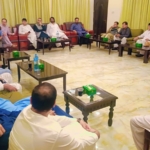
The session, chaired by Senator Saleem Mandviwalla, revealed that the Export Processing Zones Authority has been operating without a permanent chairman for an extended period, leaving critical decisions in limbo. Committee members expressed deep concern that this leadership vacuum is undermining investor confidence and delaying strategic initiatives crucial for industrial growth. Mandviwalla warned that the prolonged absence of leadership threatens compliance with Pakistan’s commitments under the IMF Extended Fund Facility (EFF), particularly the phase-out of incentives and restrictions on EPZ sales to the domestic market.
Industry representatives attending the committee highlighted growing discontent over the draft Auto Policy 2026–31. While the policy aims to boost New Energy Vehicles (NEVs), increase domestic value addition, and expand exports, local manufacturers face crippling challenges. High tariffs on raw materials, steep duties, and overall cost disadvantages were flagged as severe obstacles that could prevent the policy’s objectives from materializing.
“The government’s plan is ambitious, but without resolving operational bottlenecks, domestic producers will be left behind while international competitors gain an advantage,” said a senior industry official. The committee directed all stakeholders to submit formal grievances and scheduled a follow-up joint session with the Ministry of Commerce and the Ministry of Industries and Production to ensure these issues are addressed before the next IMF review.
Officials confirmed that EPZ incentives and operational rules require immediate reform, warning that failure to act decisively could deter foreign and domestic investment, compromise manufacturing growth, and slow Pakistan’s economic recovery.
The committee stressed that rectifying these issues is critical not only for industrial expansion but also for maintaining Pakistan’s international credibility in trade agreements and IMF compliance.
We welcome your contributions! Submit your blogs, opinion pieces, press releases, news story pitches, and news features to opinion@minutemirror.com.pk and minutemirrormail@gmail.com