Summary
- Italian Prime Minister Giorgia Meloni has warned that a new diesel supply agreement between the United States and Russia could undermine efforts to end the war in Ukraine.
- Speaking in the Italian parliament ahead of a European Union summit, Meloni argued that the agreement could strengthen Moscow’s position at a time when Western countries are seeking to pressure Russia into negotiations over Ukraine.
- Meloni also warned that additional revenue from fuel exports could help finance Russia’s war effort and weaken the impact of Western sanctions.
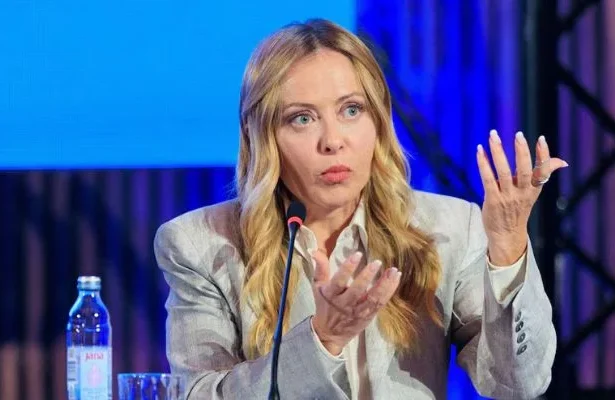
Italian Prime Minister Giorgia Meloni has warned that a new diesel supply agreement between the United States and Russia could undermine efforts to end the war in Ukraine. She described the move as a “very risky choice” and cautioned that its consequences remain uncertain.
The agreement follows US President Donald Trump’s announcement that Russian President Vladimir Putin had agreed to supply more than 300,000 metric tons of diesel to US and international markets. The deal is intended to increase fuel supplies and help bring down energy prices ahead of the US midterm elections.
Speaking in the Italian parliament ahead of a European Union summit, Meloni argued that the agreement could strengthen Moscow’s position at a time when Western countries are seeking to pressure Russia into negotiations over Ukraine.
She said the decision could provide political legitimacy to the Russian government while its military campaign continues to affect Ukrainian cities. Meloni also warned that additional revenue from fuel exports could help finance Russia’s war effort and weaken the impact of Western sanctions.
“The outcome of this decision is uncertain, while the risks are clear,” she told lawmakers, stressing that economic arrangements with Moscow could have wider diplomatic and security implications.
Meloni also called for a stronger and more coordinated European role in efforts to resolve the conflict. She proposed appointing an influential representative to negotiate on behalf of the EU’s 27 member states.
The Italian leader indicated that France, Germany and the United Kingdom could take the lead through the E3 group if they believed a smaller negotiating format would be more effective. However, she argued that any such initiative should operate under an official mandate representing the wider European bloc.
Ukrainian President Volodymyr Zelenskyy also criticised the diesel agreement, warning that easing restrictions on Russian petroleum exports would not bring lasting peace. He argued that Russia could use the additional revenue to sustain its military campaign rather than make concessions.
Zelenskyy said allowing Moscow to expand its petroleum sales amounted to supporting a war that should be brought to an end. He maintained that concessions to the Russian leadership would not guarantee peace or improve international security.
The agreement has prompted concerns over the balance between lowering energy costs and maintaining economic pressure on Moscow. While the US administration is seeking to increase fuel supplies and ease price pressures, critics fear that additional Russian oil revenue could complicate diplomatic efforts to end the conflict.
The deal has also highlighted divisions among Western allies over how to combine energy security with support for Ukraine. Meloni’s remarks underline the challenge facing European leaders as they seek a common position on negotiations, sanctions and relations with Russia.
We welcome your contributions! Submit your blogs, opinion pieces, press releases, news story pitches, and news features to opinion@minutemirror.com.pk and minutemirrormail@gmail.com