



Summary
- Nobel Peace Prize laureate Navi Pillay has criticised US President Donald Trump’s sanctions against the International Criminal Court (ICC), describing them as unlawful interference in an independent judicial institution.
- Pillay also responded to criticism from Israeli officials following her Nobel Peace Prize recognition.
- Pillay said she was still processing the news of her Nobel Peace Prize win.
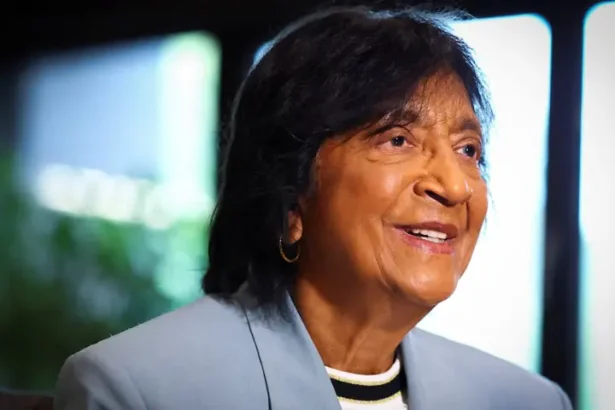
Nobel Peace Prize laureate Navi Pillay has criticised US President Donald Trump’s sanctions against the International Criminal Court (ICC), describing them as unlawful interference in an independent judicial institution.
In an interview, the 85-year-old South African jurist urged Trump to seek advice from legal experts on international law. She argued that Washington should respect the court’s independence rather than attempt to influence its investigations.
The United States announced sanctions targeting the ICC after the court issued an arrest warrant for Israeli Prime Minister Benjamin Netanyahu over alleged crimes in Gaza. Netanyahu denies the allegations. The Trump administration has expressed strong opposition to the court’s actions and threatened to undermine its operations.
Pillay said the US position reflected double standards, pointing to Washington’s previous support for the ICC’s arrest warrant against Russian President Vladimir Putin. She argued that countries should not support international justice in one case while opposing it when investigations concern their allies.
The sanctions are expected to affect the court’s banking and technology operations. The measures are scheduled to take effect in six months, leaving room for diplomatic discussions between Washington and European officials. Dutch Prime Minister Rob Jetten has called for talks with the US administration during that period.
However, Pillay questioned whether the proposed discussions about reforming the court would address the real issue. She said the United States appeared to want assurances that its citizens would not face investigations, warning that selective justice would undermine international law and establish a dangerous precedent.
Pillay also responded to criticism from Israeli officials following her Nobel Peace Prize recognition. She previously headed the United Nations Independent International Commission of Inquiry, which concluded in a report last year that genocide was occurring in Gaza.
Netanyahu described Pillay as a bigot, while Israel’s foreign ministry issued a strongly worded response to the award. Pillay said the remarks were hurtful and insulting, rejecting comparisons made between her and Nazi propagandist Joseph Goebbels.
Despite the political challenges surrounding the ICC’s efforts to pursue accountability, Pillay expressed hope that Netanyahu could eventually face proceedings before the court. She acknowledged that political obstacles remained but said she believed such difficulties could be overcome.
Pillay said she was still processing the news of her Nobel Peace Prize win. She also expressed concern about the limited recognition given to women through major international awards.
At 85, she acknowledged that age could restrict her ability to travel and campaign for international justice as actively as she had in the past. During her tenure as UN high commissioner for human rights, she visited 79 countries.
Pillay is also considering how to use her prize money of 12 million Swedish kronor, worth approximately $1.2 million. She indicated that some of the funds could support initiatives in South Africa, where she hopes to promote education for children and young people through discussions with the University of KwaZulu-Natal.
We welcome your contributions! Submit your blogs, opinion pieces, press releases, news story pitches, and news features to opinion@minutemirror.com.pk and minutemirrormail@gmail.com






