Summary
- More than 260,000 people have been evacuated from their homes in northeastern China after Typhoon Bavi unleashed heavy rainfall and widespread flooding across Liaoning province.
- Weather experts said the storm is pulling large amounts of tropical moisture northward, creating a continuous flow of humid air that is expected to keep rainfall intense across northern China.
- As Bavi continues moving toward the Korean Peninsula, it is expected to slow down, increasing the likelihood of prolonged rainfall across parts of northern China.
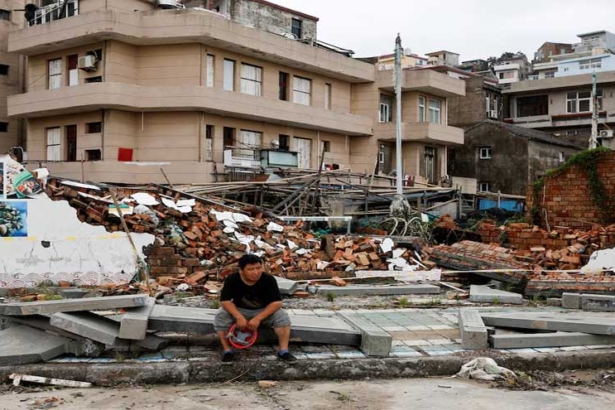
More than 260,000 people have been evacuated from their homes in northeastern China after Typhoon Bavi unleashed heavy rainfall and widespread flooding across Liaoning province. The storm, considered the strongest to hit mainland China this year, has disrupted daily life, forced school closures, and caused major transport interruptions as authorities work to protect residents from worsening weather conditions.
Officials warned that heavy rain is expected to continue through Tuesday, with some areas likely to receive extremely high levels of rainfall. Weather experts said the storm is pulling large amounts of tropical moisture northward, creating a continuous flow of humid air that is expected to keep rainfall intense across northern China.
The provincial capital of Shenyang has been among the hardest hit areas. Floodwaters submerged roads across the city, while videos shared on Chinese social media showed a lighthouse breaking free after its high voltage power connection was damaged. The structure drifted through flooded streets before passing beneath a bridge, highlighting the strength of the floodwaters and the dangerous conditions facing local residents.
To reduce the risk to public safety, authorities suspended classes at all schools and training centers across affected areas. Public transport services were also heavily disrupted in several northeastern cities, including Shenyang and Jilin, making travel difficult for thousands of people. Emergency teams have remained on alert as they monitor rising water levels and respond to flooding in vulnerable communities.
Typhoon Bavi first developed over the Pacific Ocean nearly two weeks ago and has remained unusually powerful throughout its journey. After making landfall in eastern China on Saturday night, the storm retained much of its original structure despite moving inland. Meteorologists say this has made Bavi the longest lasting tropical cyclone in the Asia Pacific region this year.
Weather specialists explained that the storm’s strength has been maintained by a well preserved warm core, allowing it to carry large amounts of moisture over long distances. As Bavi continues moving toward the Korean Peninsula, it is expected to slow down, increasing the likelihood of prolonged rainfall across parts of northern China. Experts warned that once the storm releases the moisture it has accumulated, some regions could experience severe flooding and dangerous weather conditions.
Emergency authorities have urged residents in flood prone areas to remain cautious and follow evacuation orders where necessary. Rescue teams are monitoring rivers, roads, and other critical infrastructure while local governments continue efforts to minimize damage and ensure public safety.
The latest disaster highlights the growing challenges posed by increasingly powerful storms in East Asia. In recent years, extreme weather events have become more frequent, placing greater pressure on emergency services and infrastructure across the region. With heavy rain still forecast over the coming days, officials remain focused on protecting lives and reducing the impact of one of the most powerful storms China has faced this year.
We welcome your contributions! Submit your blogs, opinion pieces, press releases, news story pitches, and news features to opinion@minutemirror.com.pk and minutemirrormail@gmail.com